
Virtual Credit Card
A virtual credit card is a digitally issued card number that draws on a credit line rather than on money already sitting in a bank account. It has a card number, expiration date, and security code like a plastic card, but exists only online and is used for card-not-present payments. Purchases are billed to the credit account and repaid later, either in full each cycle or over time, depending on how the account is structured.
Last updated: September 2026
Why virtual credit cards matter
All virtual cards look alike at checkout. What differs is the money behind the number.
A prepaid or debit-funded virtual card can only spend what has already been loaded or deposited. A virtual credit card spends against a limit set by underwriting, and the business pays the bill afterwards. For a company buying software, that difference is small. For a company paying tens of thousands of dollars a week to ad platforms, it decides whether campaigns are funded from cash on hand or from credit that is repaid after the spend has done its work.
The credit line also sets the ceiling. Every card issued under the account draws from the same credit limit, so how that limit was sized matters as much as how many cards you can create.
How businesses use virtual credit cards
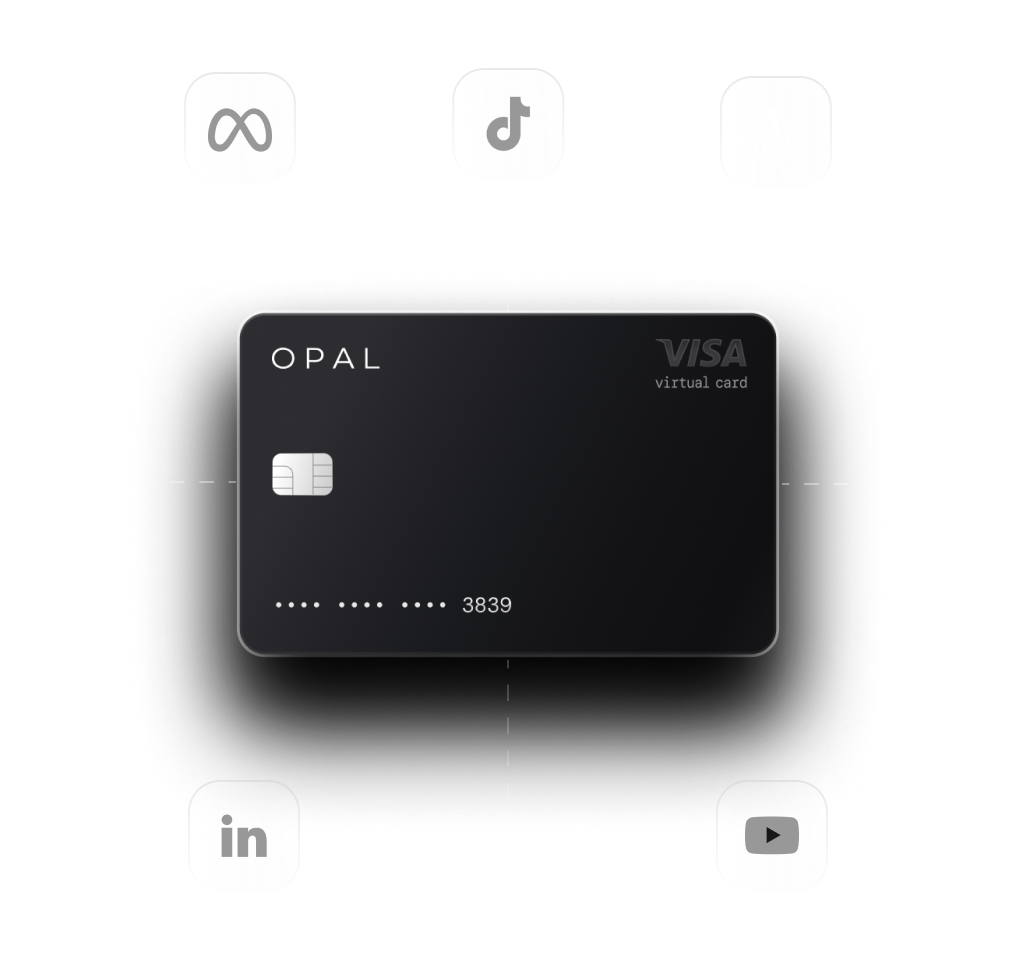
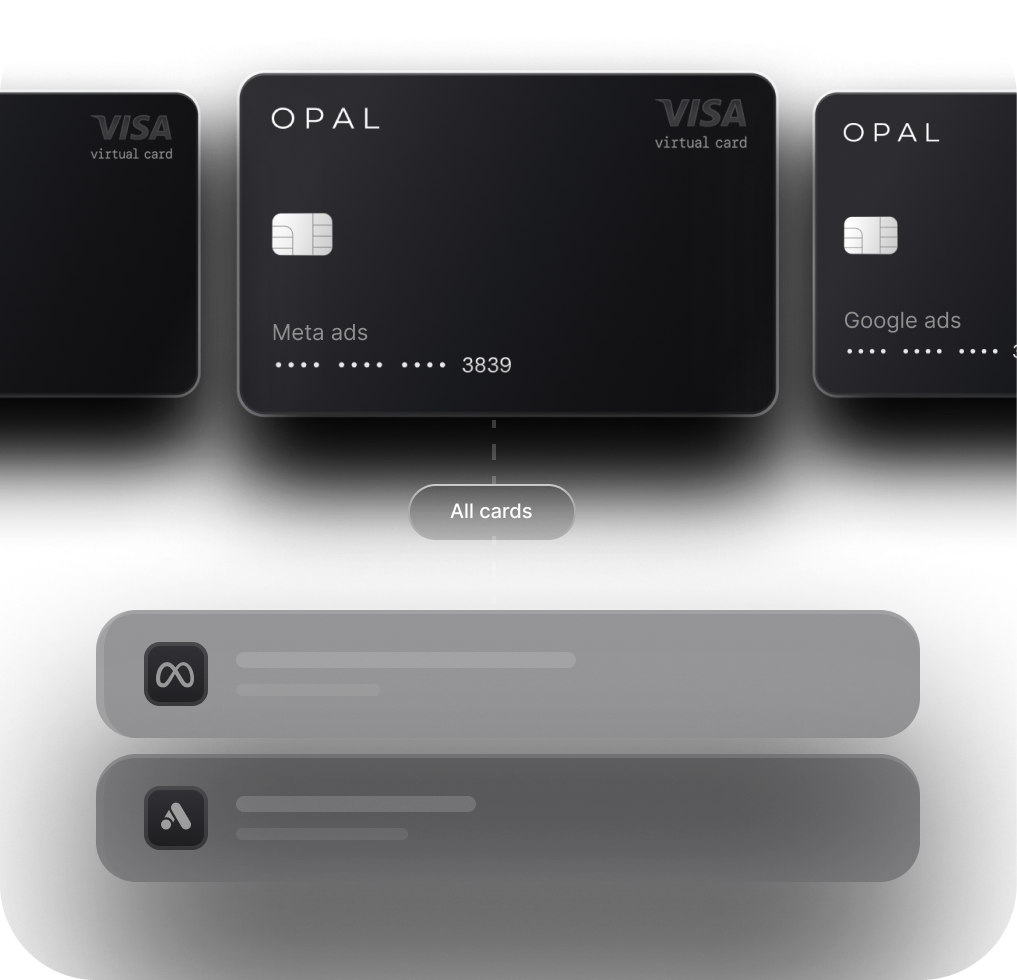
- Advertising platforms: a card on file for Meta, Google, or TikTok that spends against credit rather than the operating account.
- Vendor and software payments: one number per vendor, so a canceled subscription can be shut off in seconds.
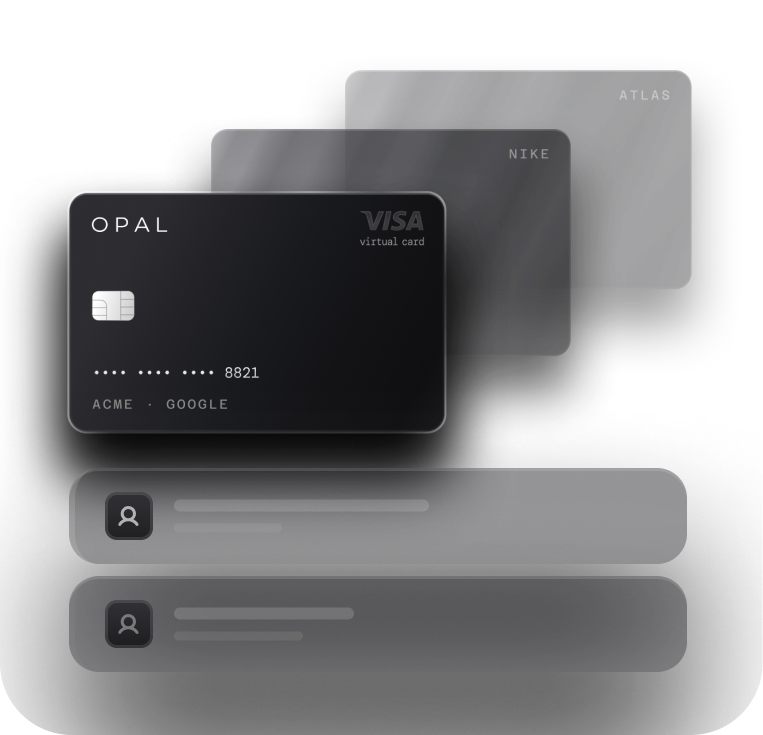
- Client separation: a card per client, each with its own limit, all drawing from one credit account.
- Cash timing: paying suppliers on card and settling the balance after customer or client payments arrive.
Business examples
An agency paying $250,000 a month of client media through virtual credit cards and settling the balance when client invoices clear. A brand moving its Google Ads card from a debit-funded account to a credit-backed one so a slow receivables month no longer threatens campaign spend. A finance team closing a card number the moment a vendor contract ends.



Frequently asked questions
A virtual debit card spends money already in the linked account, so the balance is reduced at the time of purchase. A virtual credit card spends against a credit line and the balance is paid later. The card number looks the same to the merchant.
They are generally safer than sharing one physical card number, because each virtual number can be limited to one use, one merchant, or one budget and closed without replacing any other card. The underlying credit account still needs the same care as any other.
Yes. Most business card programs let an account holder create multiple virtual numbers, each with its own limit and controls. All of them draw from the account’s overall credit limit, so the total spend across cards cannot exceed it.
See what Opal can do for you
Learn how our spend platform can increase the strategic impact of your finance team and future-proof your company