
Charge Card
A charge card is a payment card whose full balance is due at the end of each billing cycle. There is no revolving facility, so nothing carries into the next month and no interest accrues on purchases. Some charge cards carry a stated limit and others flex spending capacity with payment history and account performance. The trade-off is discipline: the balance is collected in full on the due date, usually by automatic debit, whether or not the money has arrived from elsewhere.
Last updated: August 2026
Why charge cards matter
Charge cards and credit cards look alike and behave differently in the one way that matters at volume, which is capacity.
A credit card sets a limit and holds it. Every dollar outstanding is a dollar of headroom gone until the balance is paid down, which is why businesses running large monthly spend often pay the card down mid-cycle simply to keep buying. That turns a credit line into a slower debit card.
A charge card has no revolving balance sitting against the ceiling, so capacity is assessed on the business rather than rationed against outstanding debt. The discipline is the price. The full balance is collected on the due date, usually by automatic debit, so the payment date matters more than it does on a revolving card.
Common Uses for Charge Cards
- Advertising spend: large recurring amounts recovered on a predictable cycle.
- Supplier and inventory payments: where the purchase converts to revenue inside the month.
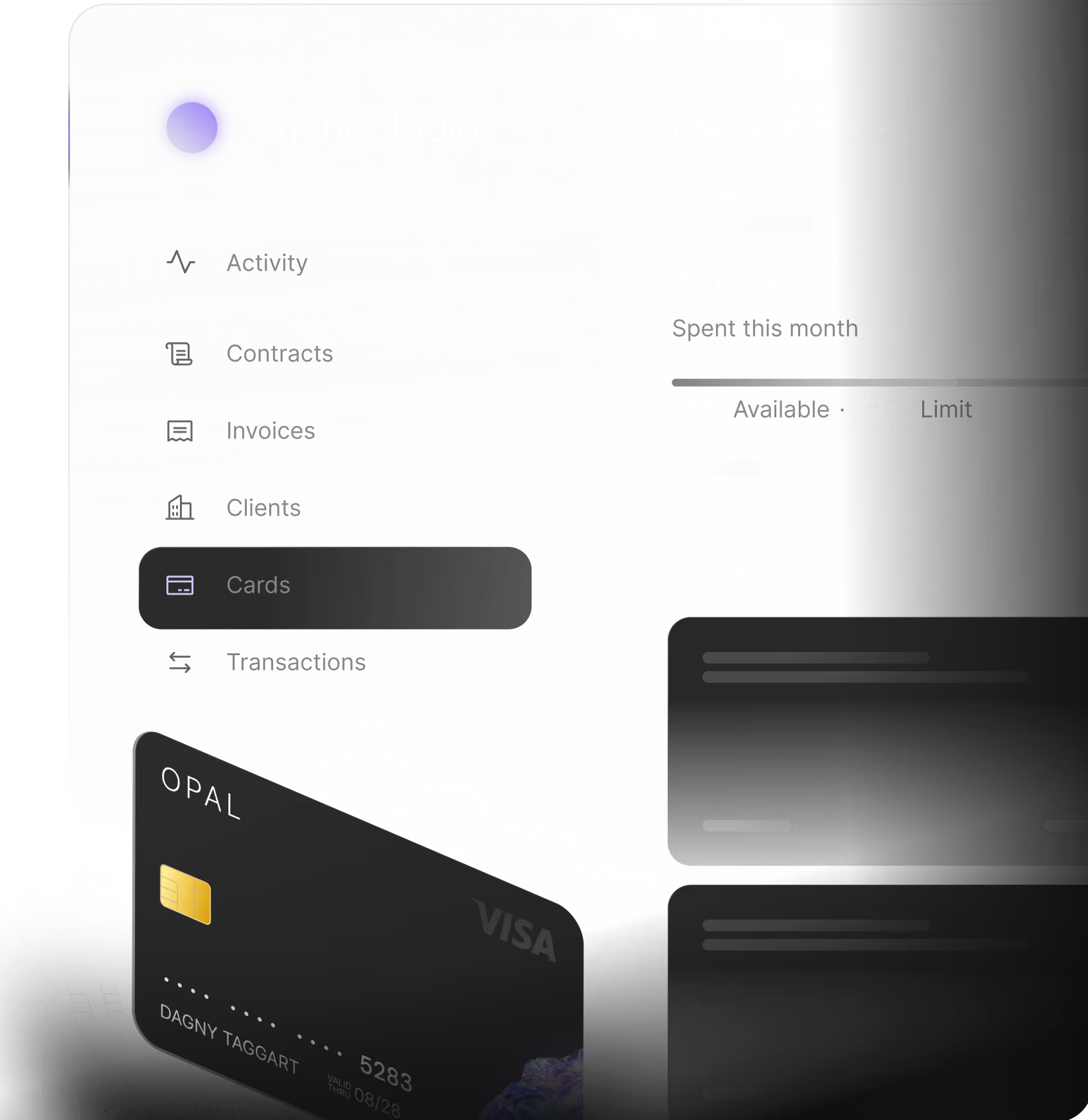
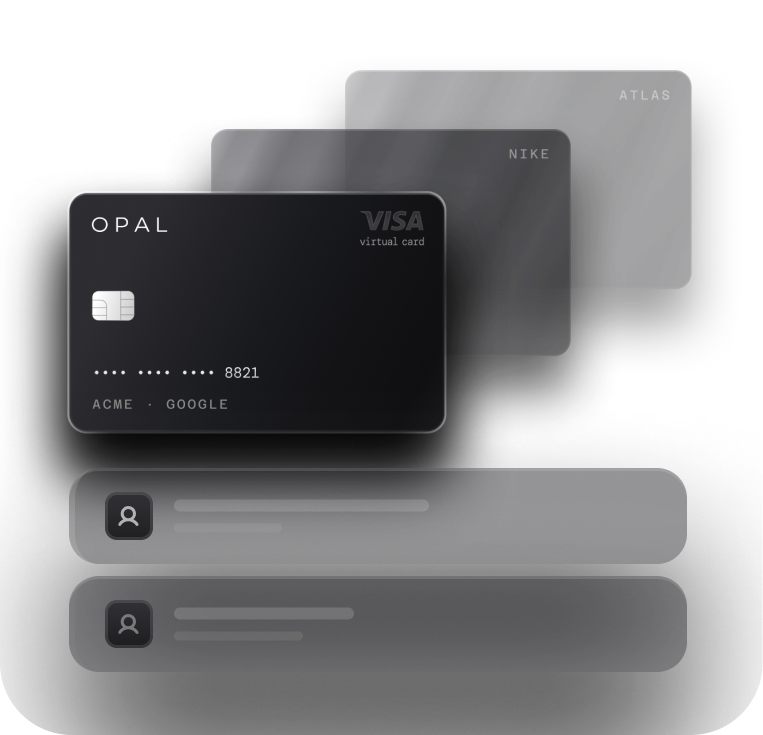
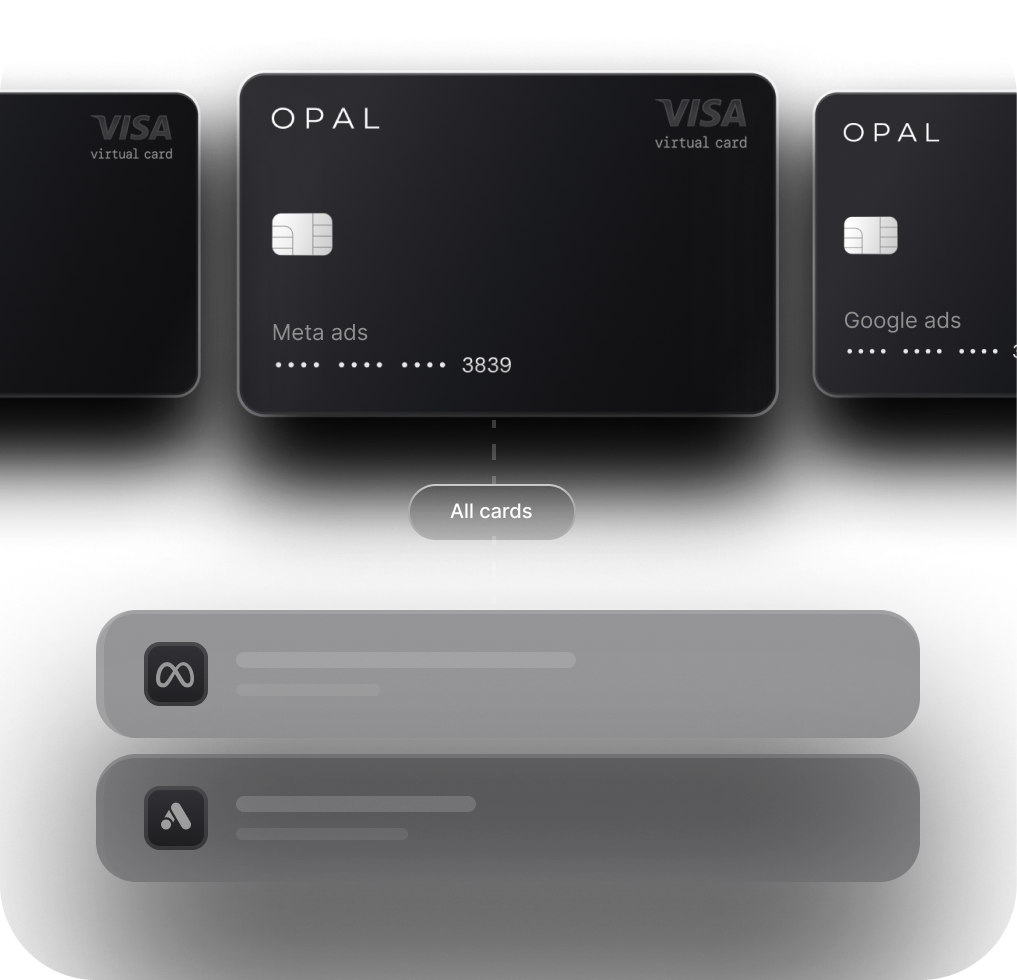
- Employee and virtual cards: issued under one account with individual limits.
- Cash flow timing: using the gap between purchase and due date instead of borrowing.
Business examples
An agency settling $400,000 of client ad spend in full each month. A retailer paying suppliers on card and collecting from customers before the due date. A business that moved off a revolving card after paying it down twice a month just to keep spending.


Frequently asked questions
Some state one and some do not. A card with no preset spending limit still has capacity that adapts to payment history and account performance, and it is not unlimited.
Late payment fees and other penalties can apply, and the card may be locked until the balance is settled. Because there is no revolving facility, there is no option to carry the balance forward at interest instead.
For spend that is recovered inside a normal cycle, usually yes, because capacity is not consumed by a carried balance. A credit card is the better instrument when the spend genuinely needs financing across several months.
See what Opal can do for you
Learn how our spend platform can increase the strategic impact of your finance team and future-proof your company