
Ad Spend Reconciliation
Ad spend reconciliation is the process of matching what an advertising platform reports as spend against what actually posted to the card or bank account, then attributing each transaction to the right client, campaign, and accounting code. It closes the gap between three records that rarely line up on their own: the platform’s reporting, the payment record, and the ledger. For agencies, a fourth requirement sits on top, which is that the result has to be defensible to the client whose budget it describes.
Last updated: August 2026
Why ad spend reconciliation matters
Reconciliation is where the cost of a bad card setup becomes visible, because it is paid every month in hours rather than once in fees.
The difficulty comes from how ad platforms bill. Threshold charges do not align to campaign dates or to calendar months, so a single card transaction can cover parts of two campaigns and parts of two reporting periods. Put several clients on one card and each charge has to be split before it can be coded. Do that across four platforms and 30 clients, by hand, every month.
Outsmart Labs recovered 15 hours per week after moving to a per-client card structure with automated reconciliation. That is the size of the problem when it is left manual.
How businesses reconcile ad spend
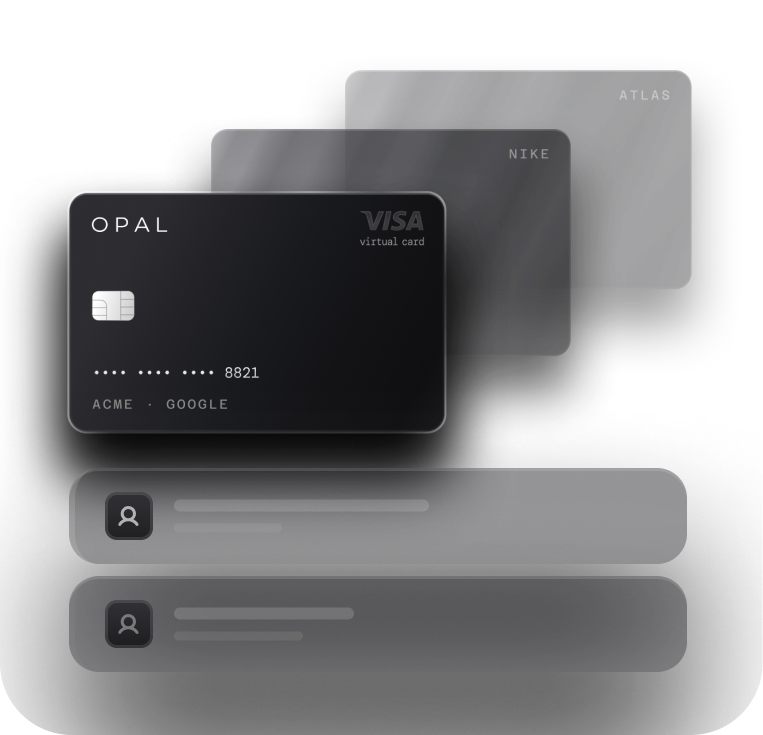
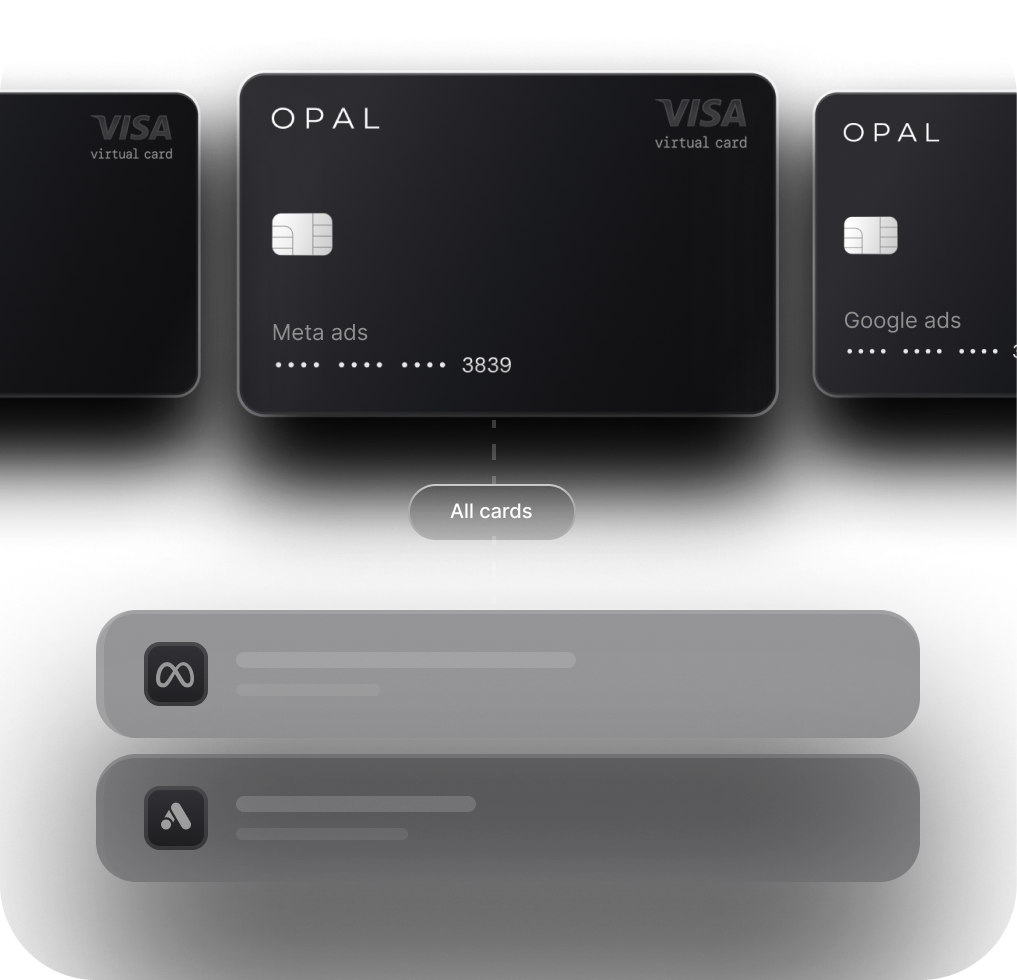
- Structurally: one card per client per platform, so transactions arrive pre-attributed.
- Automatically: sync between card data, platform data, and the accounting ledger.
- By exception: review only the transactions that fail to match, not all of them.
- Continuously: daily matching rather than a month-end block of work.
Business examples
A finance team matching 400 Meta threshold charges to 30 client accounts. An agency exporting client-level spend reports directly from card data. A brand syncing ad transactions to QuickBooks with campaign coding intact.


More Glossary Terms

Frequently asked questions
Because platform billing does not align to campaigns or calendar months, and shared cards mix clients into single transactions. Every mismatch has to be traced and split by hand.
It solves the bookkeeping half. A general accounting sync codes transactions to accounts, but it does not know which client or campaign a charge belongs to unless the card structure tells it. Card architecture does more work here than software does.
It depends on client count and platform mix. The saving comes from removing the manual split rather than doing it faster: when each transaction already carries a client and a campaign, there is nothing left to allocate at month end.
See what Opal can do for you
Learn how our spend platform can increase the strategic impact of your finance team and future-proof your company