
Merchant-Locked Card
A merchant-locked card is a virtual card restricted to a single approved merchant. The first transaction, or a rule set at issue, ties the card to that merchant, and any charge attempted anywhere else is declined at authorisation. The card number keeps working for its intended vendor indefinitely, which makes it suitable for recurring spend, while remaining useless to anyone who obtains the number and tries to spend it somewhere else.
Last updated: August 2026
Why merchant-locked cards matter
Card numbers sit inside ad platform billing settings, agency tools, contractor dashboards, and shared password managers. Each of those is a place the number can leak from. A merchant lock means a leaked number cannot be spent.
The second benefit is quieter and matters more day to day. A card locked to one merchant produces a statement line that needs no interpretation. Nobody has to work out whether a charge belongs to Google or to a subscription that happens to bill the same week.
Common Uses for Merchant-Locked Cards
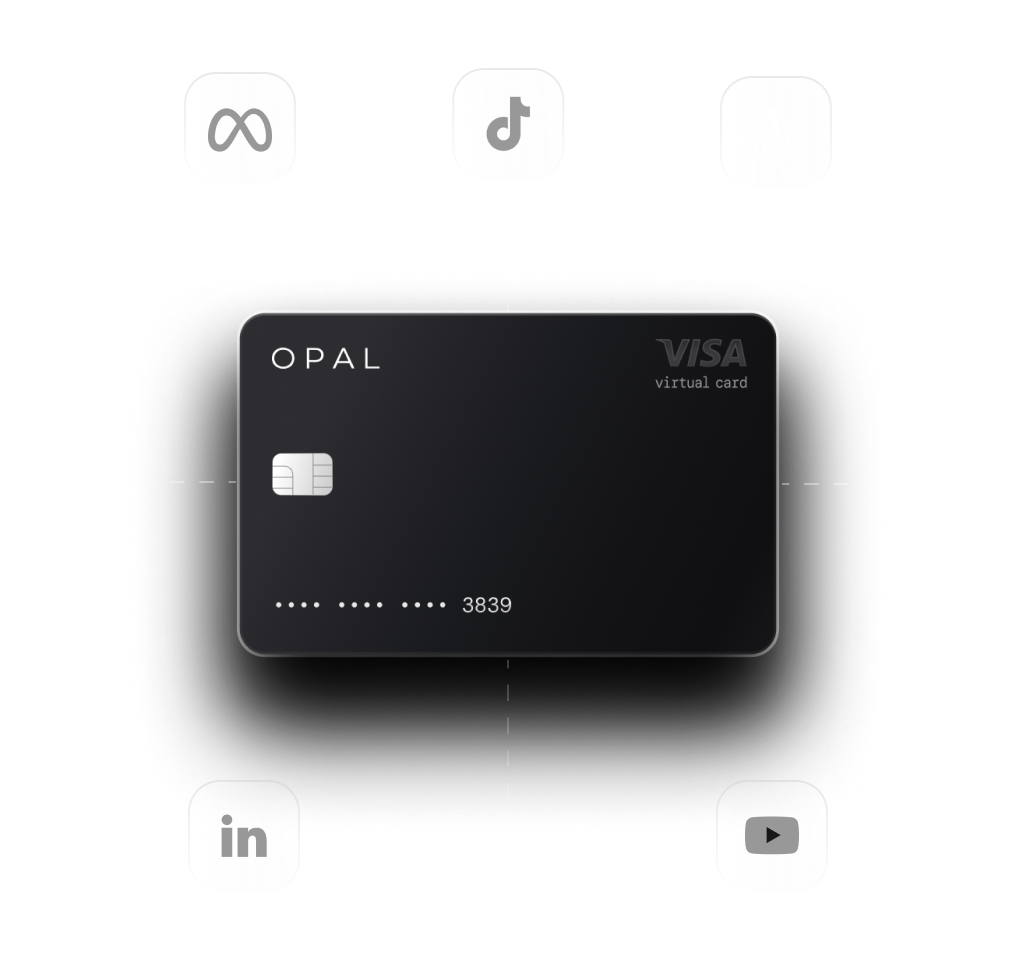
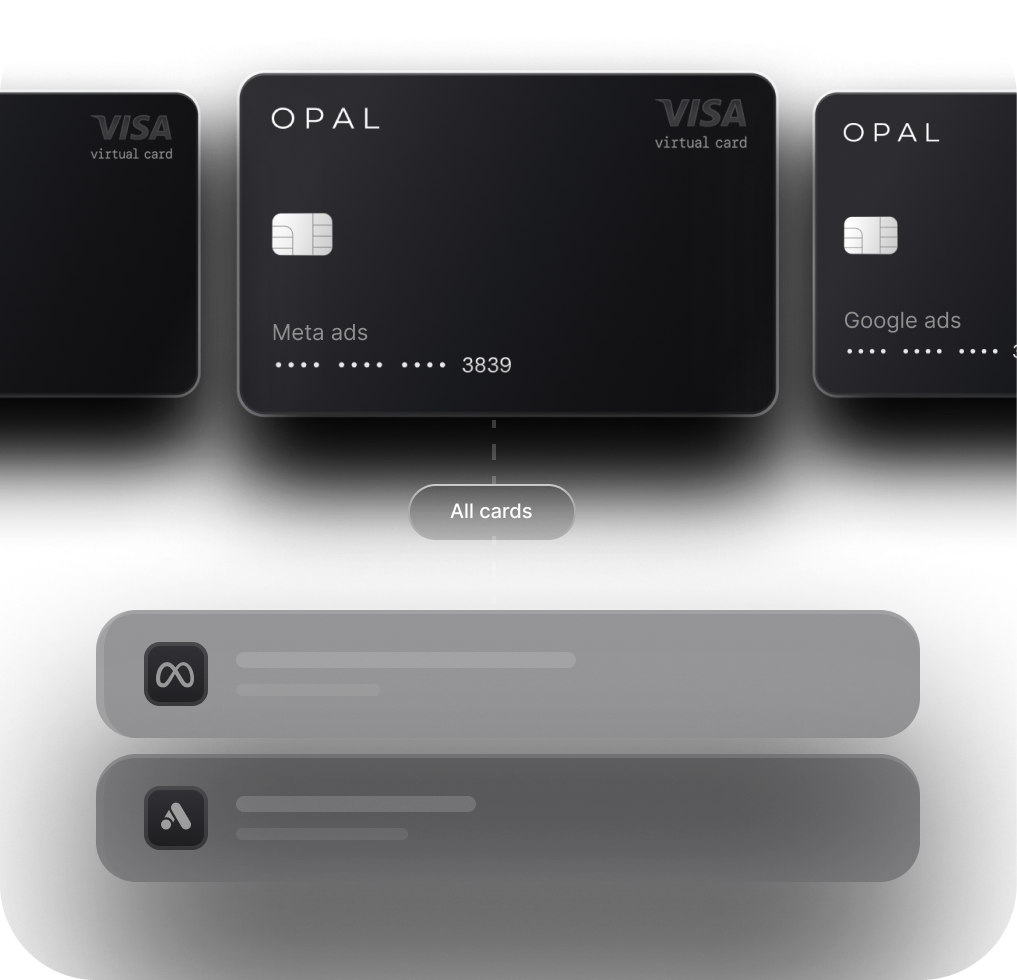
- Per ad platform: one card locked to Meta, one to Google, one to TikTok.
- Per vendor: a card locked to a single supplier or SaaS subscription.
- For contractors: a locked card handed to an external buyer, useless outside the intended platform.
- For fraud containment: if a number is compromised, the exposure stops at that merchant.
Business examples
A card locked to Google Ads inside a client's ad account. A card locked to a design tool subscription so a renewal price rise is visible on the line item. A card locked to Amazon Ads for a single brand's retail media budget.


More Glossary Terms

Frequently asked questions
The transaction is declined at authorisation. The charge never posts, so there is nothing to dispute or reverse.
Yes. The lock restricts which merchant can charge the card, not how often. That makes locked cards a good fit for ad platform billing, which charges repeatedly against the same payment method.
No. A merchant-locked card can be charged many times by one merchant. A single-use card expires after one transaction regardless of who charged it.
See what Opal can do for you
Learn how our spend platform can increase the strategic impact of your finance team and future-proof your company