
Card Controls
Card controls are the rules a business applies to a payment card to govern where, when, and how much it can be used. Common controls include a spending limit per transaction or per period, merchant or category restrictions, geographic rules, expiry dates, and permissions that decide which employees can use or manage the card. Controls are enforced at the point of authorisation, so a transaction outside the rules is declined rather than flagged for review afterwards.
Last updated: August 2026
Why card controls matter
Card controls give businesses more control over where, when, and how company cards can be used.
Instead of relying on a single spending limit, businesses can configure cards with specific rules, including merchant restrictions, spending limits, expiration dates, and employee permissions. This helps reduce unauthorized spending, improve security, and keep purchases aligned with company policies.
The distinction that matters is when the rule is applied. Controls are checked at the moment a charge is attempted, so anything outside the rules is declined rather than flagged for review after the fact. Nothing has to be clawed back.
For agencies and high-growth businesses, card controls also make it easier to manage spending across clients, campaigns, employees, and advertising platforms without relying on shared cards or manual oversight.
Common Uses for Card Controls
Businesses use card controls in many different ways, including:
- Setting spending limits for employees or teams
- Restricting cards to specific merchants
- Controlling advertising platform spend
- Managing client and campaign budgets
- Setting expiration dates for temporary cards
- Limiting vendor and subscription spending
- Separating spending across departments
- Managing employee purchasing permissions
Business example
How Marketing Agencies Use Card Controls
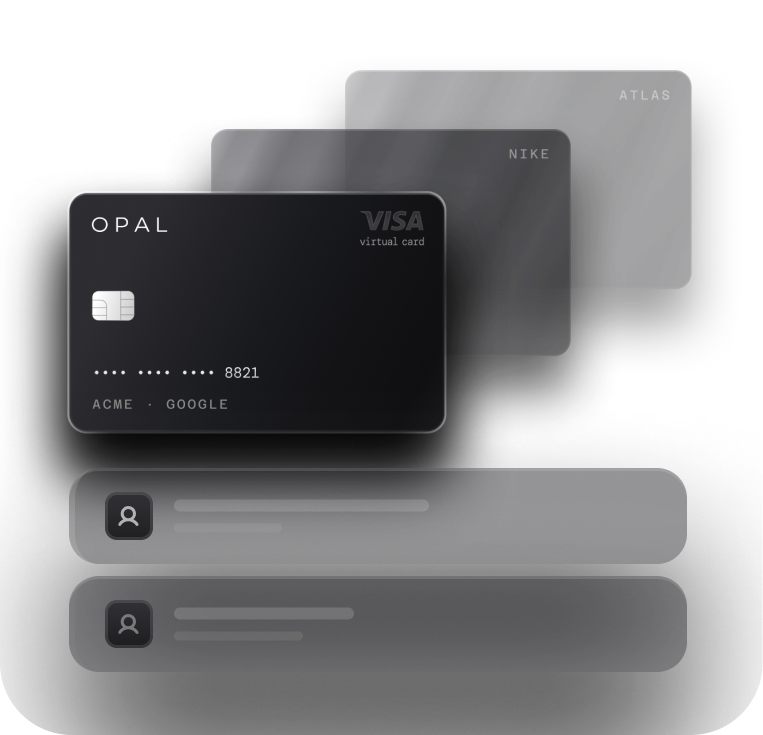
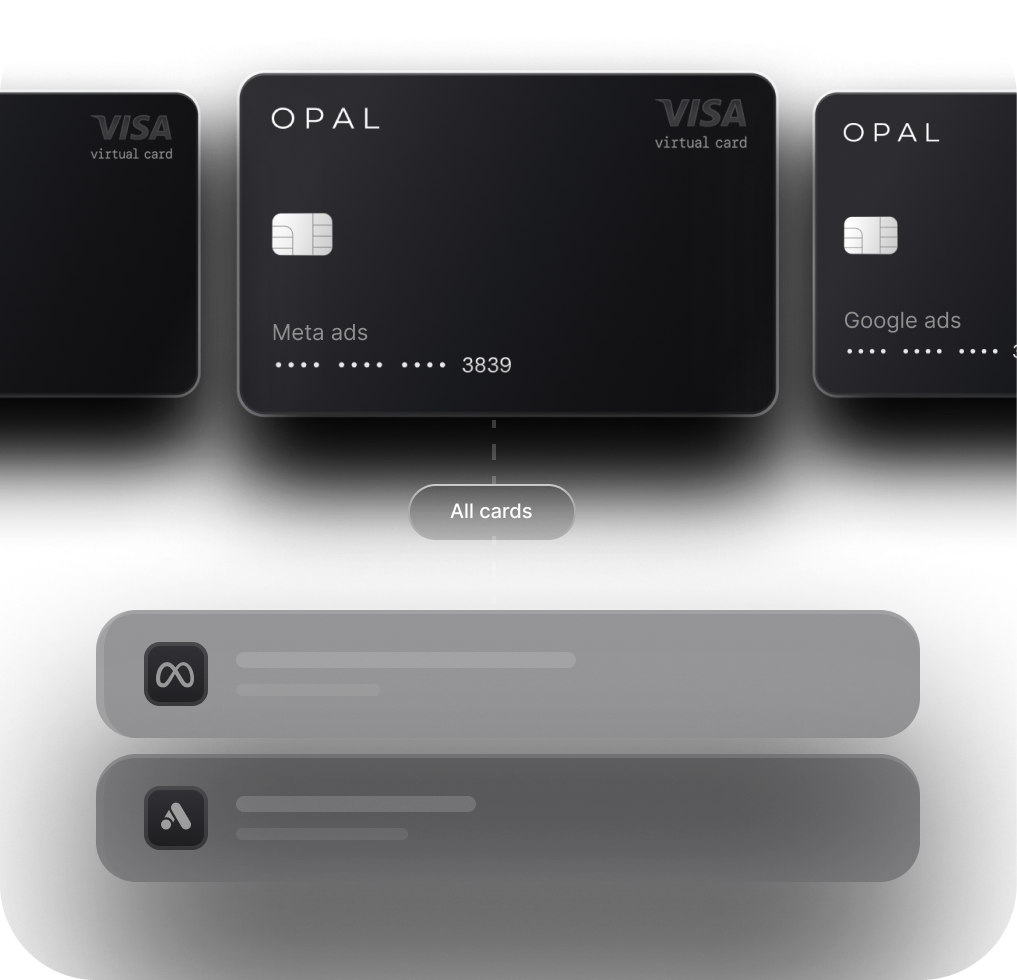
A performance marketing agency managing multiple client advertising accounts can issue dedicated virtual cards with controls for each client or campaign. Each card can have its own spending limit, merchant restrictions, and employee permissions, making it easier to keep client budgets separate, control advertising spend, and reduce unauthorized purchases.


More Glossary Terms

Frequently asked questions
A spending limit is one control among several. Card controls also cover which merchants a card works with, which categories are allowed, when the card expires, and which employees can use or manage it. The limit answers how much; the other controls answer where, when and who.
Before. Controls are applied at the point of authorisation, so a transaction that breaks a rule is declined outright rather than flagged for review afterwards. Nothing has to be clawed back.
Yes, and instantly on modern card platforms. Limits, merchant rules and permissions can all be adjusted without reissuing the card or interrupting a recurring charge.
See what Opal can do for you
Learn how our spend platform can increase the strategic impact of your finance team and future-proof your company