
Ad Spend vs. Inventory Financing: How E-Commerce Brands Should Fund Growth

E-commerce brands should fund inventory and ad spend with completely separate financing vehicles. Each has a different payback timeline, a different collateral structure, and a different risk profile. The fastest-growing DTC brands treat this as a foundational rule: use secured, low-cost financing for inventory and purpose-built, high-limit credit for paid media. Mixing them forces you to overpay for one, underfund the other, or both.
Key insight: Your real capital need is not just your inventory order. It is your inventory order plus every dollar of ad spend you will burn across the 30 to 60 day gap before that inventory turns into collected revenue.
Key Takeaways
Inventory and ad spend run on different financial timelines with different collateral structures. Financing either with the wrong product creates a structural mismatch that compounds as you scale.
The cash conversion cycle for a growth-stage DTC brand typically runs 60 to 150 days for inventory. Ad spend should return as collected revenue within 14 to 60 days.
Secured inventory lines (8 to 30% APR equivalent) are the lowest-cost capital for stock purchases. Flexible, high-limit credit is the correct tool for paid media.
Scaling ad spend before inventory is confirmed inbound pre-pays customer acquisition cost against stock that does not yet exist. Confirm the purchase order first.
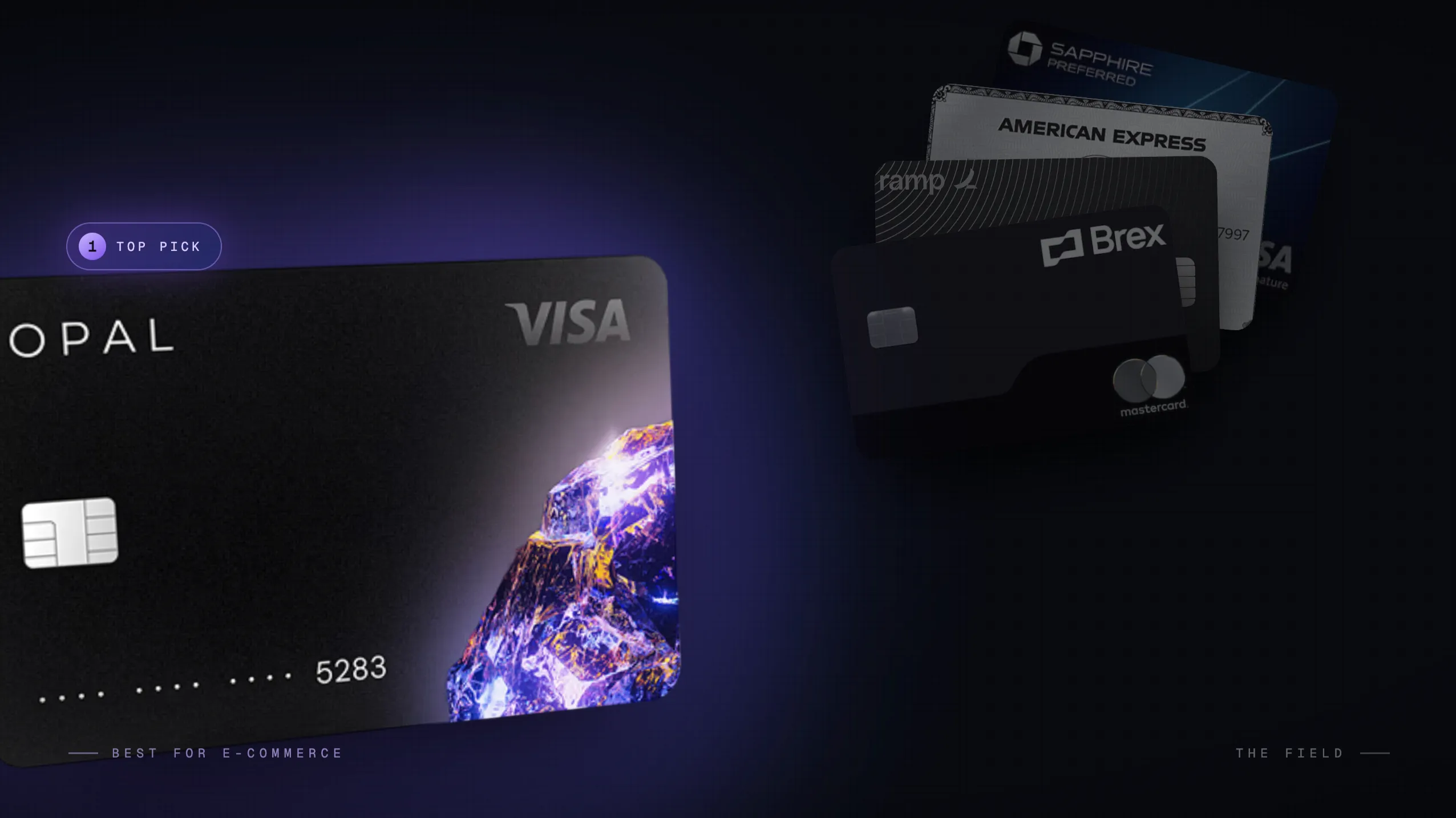
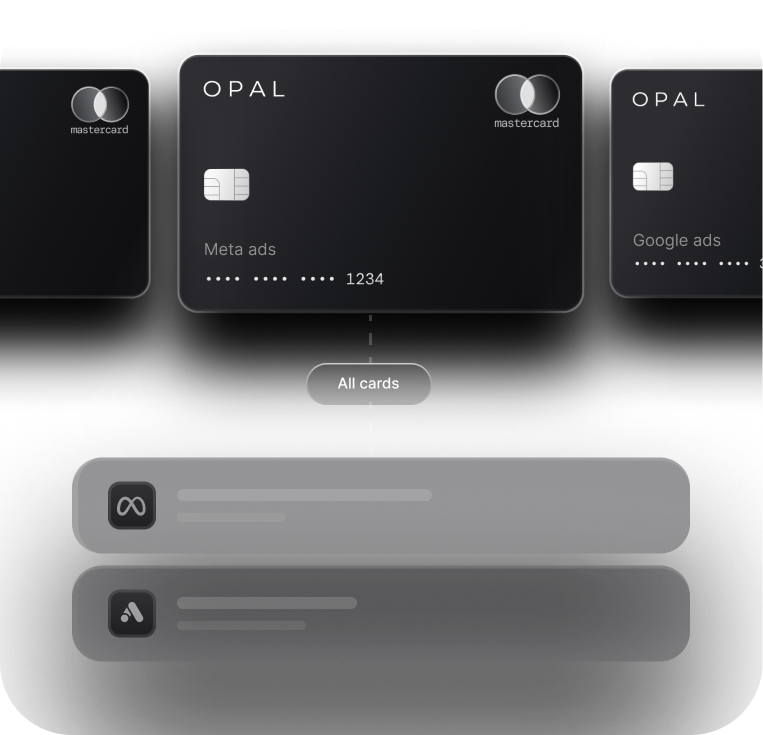
A purpose-built ad-spend card provides credit limits sized to cash flow (not personal credit history), unlimited virtual cards per platform or campaign, and cashback on every dollar spent across Meta, Google, TikTok, Amazon, and more.
General business cards cap out well below what a scaling DTC brand needs. A dedicated ad-spend card carries limits up to $10M sized around managed spend volume, unlimited virtual cards per platform or campaign, and up to 1.5% cashback on every dollar of ad spend, with no personal guarantee and no annual fee.
Keeping ad-spend capital and inventory capital on separate financing tracks also separates the bookkeeping. Every transaction is pre-categorized before it reaches your accounting software.
Why Do E-Commerce Brands Confuse These Two Capital Needs?
It is easy to see why founders lump inventory and ad spend together. Both feel like "growth spending." Both happen before revenue arrives. And when cash is tight, both compete for the same pool of working capital.
But treating them as interchangeable is a structural mistake, not just a bookkeeping inconvenience.
The two clocks running at the same time
When you place a supplier order and launch a paid media campaign in the same quarter, you are actually managing two completely different financial timelines:
-
The inventory clock: From the day you pay your supplier to the day that stock turns into collected cash, the cash conversion cycle for a growth-stage DTC brand typically runs 60 to 150 days. That includes production lead time, shipping, receiving, and the time it takes for sales to clear into your bank account.
-
The ad-spend clock: Once inventory is live and ads are running, paid media spend should return as collected revenue within roughly 14 to 60 days, depending on your platform mix and customer acquisition model.
These two timelines require different financing structures. Forcing both onto a single product, whether a general business line of credit, a revenue-based financing facility, or a personal credit card, creates a mismatch where the faster-returning use case subsidizes the slower one. You end up paying more for capital than you need to, and you limit your ability to scale either side independently.
What Is the Right Financing for Inventory?
Inventory financing works because the stock itself is collateral. Lenders can put a lien on physical goods, which makes the risk profile lower and the rates cheaper. This is the capital you want for your supplier deposits, production runs, and inbound shipments.
Common inventory financing options
Option |
Best for |
Typical cost |
|---|---|---|
Inventory line of credit |
Recurring restocking with variable order sizes |
Revolving, draws as needed |
Purchase order (PO) financing |
Large confirmed wholesale orders |
12 to 30% APR equivalent |
Asset-based inventory loan |
One-time large purchases with clear sell-through |
8 to 15% APR |
Revenue-based financing (RBF) |
Brands with predictable revenue needing seasonal flex |
Variable; can be expensive on short payback windows |
Use the cheapest secured capital you can qualify for on the inventory side. The stock is the asset. Let it carry the debt.
What inventory financing should not fund
Do not use inventory financing to cover your paid media budget. The math does not work. Inventory lines are sized around asset value, not campaign performance. They carry restrictions on how funds are deployed. And if your ads underperform, you still owe the inventory debt regardless of whether the spend generated revenue.
The sequencing rule: Lock your purchase order first. Confirm the ship date. Fund inventory with your cheapest secured line. Only then scale your ad spend, and only against stock that is confirmed inbound.
What Is the Right Financing for Ad Spend?
Ad spend has no collateral. You cannot put a lien on a Facebook campaign. That single fact determines the entire financing structure.
Because there is no underlying asset, paid media requires flexible credit rather than secured lending. The right infrastructure for ad spend needs to do three things:
-
Scale with your campaigns, not cap out at the moment you need to press on a profitable channel
-
Stay separate from inventory capital, so a bad ad month does not threaten your supply chain, and a delayed shipment does not kill your media budget
-
Generate returns on the spend itself, through cashback or rewards that reduce the effective cost of every dollar deployed
Why general business cards fall short
Most e-commerce brands start running paid media on a standard business credit card. This works until it does not. General-purpose cards were not designed for the spending patterns of a DTC brand running $50,000 to $500,000 a month across Meta, Google, TikTok, and Amazon.
General business cards were not built for this spending pattern, and the gaps show up fast:
-
Credit limits are too low. Standard business cards cap out well below what a scaling brand needs. When you hit the limit mid-campaign, ad platforms pause delivery and your ROAS data goes dark.
-
Cashback rates are not optimized for ad platforms. A travel card earning points on airline purchases does not help you when 90% of your spend is on ad platforms.
-
No spend controls by campaign or channel. Without virtual card infrastructure, one card funds everything, making reconciliation a manual nightmare.
-
Personal liability. Most traditional cards require a personal guarantee, which means your ad spend risk is also your personal financial risk.
What the right ad-spend infrastructure looks like
The right tool for the media side of your business is a card built specifically for paid advertising, with limits and features that match how ad platforms actually work. That means:
High credit limits tied to cash flow, not personal credit history
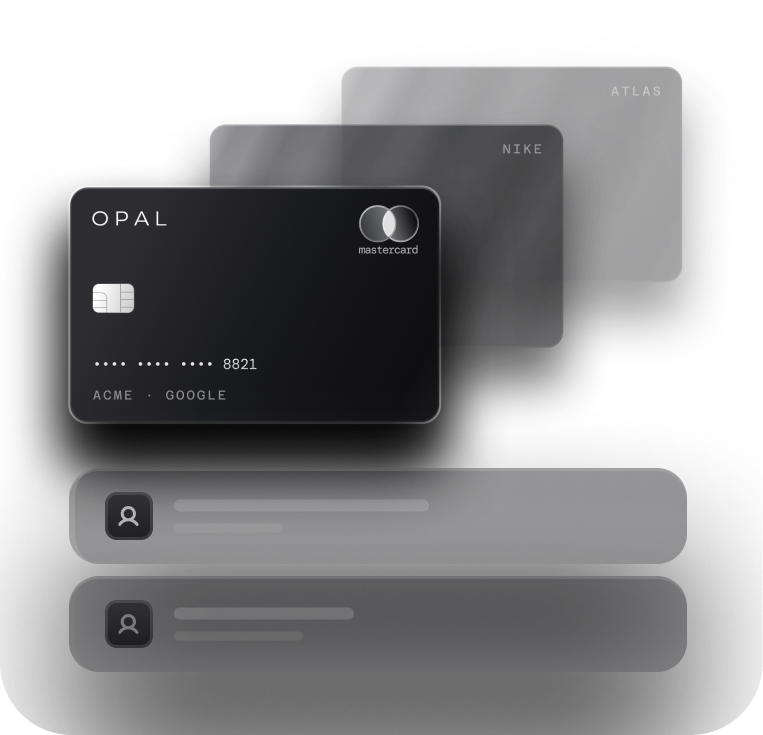
Unlimited virtual cards you can assign per campaign, per platform, or per client
-
Automatic reconciliation with ad platforms like Meta Ads, Google Ads, TikTok, Amazon, and more
Cashback on every dollar of ad spend, turning a cost center into a partial revenue stream
No personal guarantee and no annual fee
The real advantage: when your ad-spend credit line is separate from your inventory capital, you can scale paid media aggressively during a strong ROAS window without touching the working capital earmarked for your next supplier order.
How Should E-Commerce Brands Structure Their Growth Financing?
The structure is two parallel tracks with no shared capital between them.
Track 1: Inventory
Secured financing (inventory line, PO financing, or asset-based loan)
Sized around your supplier order volume and cash conversion cycle
Repaid as inventory sells through
Never used for paid media
Track 2: Ad Spend
Flexible, high-limit credit sized to managed spend volume
Purpose-built for ad platforms (Meta, Google, TikTok, Amazon, LinkedIn, Snapchat, The Trade Desk)
Generates cashback on every dollar deployed
Managed through virtual cards by campaign, channel, or product line
Completely separate from your inventory capital
Why this matters for reconciliation: When ad spend and inventory share the same card or credit line, your bookkeeping becomes a mess. Separating the two tracks means every transaction is already categorized before it hits your accounting software. That is hours of manual work eliminated every month.
What Is the Right Order of Operations for Scaling Ad Spend?
Structuring the two tracks correctly is step one. Getting the sequencing right is step two. Many brands build the right financing rails and then run them in the wrong order.
-
Confirm inventory first. No purchase order committed, no ad scaling. Running ads before stock is inbound pre-pays customer acquisition cost against goods that do not yet exist.
-
Build a 90-day cash forecast. Model inventory out, ads out, and revenue in week by week before touching your ad budget.
-
Scale ads against confirmed inbound stock. Tie your media ramp to inventory landing dates, not to ambition.
-
Gate ad scaling on unit economics. Keep your CAC payback period manageable and your contribution margin healthy enough to service any financing before you lean on the ad line.
-
Review both tracks monthly. Inventory capital and ad-spend capital have different repayment rhythms. Treating them separately in your reporting is not just good hygiene; it is how you catch problems early.
General Business Card vs. Dedicated Ad-Spend Card: A Direct Comparison
Feature |
General business card |
Dedicated ad-spend card |
|---|---|---|
Credit limit |
Typically $10K to $100K, tied to personal credit |
Up to $10M, sized around your managed spend volume |
Personal guarantee |
Usually required |
Not required |
Virtual cards |
Limited or none |
Unlimited, assignable per platform or campaign |
Cashback |
Broad categories (travel, dining) |
Optimized for ad platforms: Meta, Google, TikTok, Amazon, and more |
Platform reconciliation |
Manual |
Automatic sync with ad platforms |
Mid-campaign decline risk |
High at scale |
Minimized by high limits and automatic payment updates |
Annual fee |
Often $95 to $695 |
None |
The structural gap is the credit limit. When a general business card declines mid-campaign, Meta pauses delivery, the learning phase resets, and cost per result spikes. Recovery can take days or weeks. A purpose-built card eliminates that failure mode by sizing the limit to how you actually spend, not to a personal credit score.
The Bottom Line
Once the two tracks are in place, the operational picture changes. You can press on a profitable channel without checking whether it will eat into your next supplier payment. You can hold your inventory line for stock and let your ad-spend credit handle media, each sized and managed independently.
The cashback on your ad spend reduces your effective cost of acquisition on every campaign. The separation in your reporting means problems on either side surface early, before they compound.
That is the operational result: not just cleaner accounting, but faster, more confident decisions about where to deploy capital next.
Opal is built specifically for this. The Opal Ad-Spend Card gives e-commerce brands and agencies credit limits up to $10 million, unlimited virtual cards for every platform and campaign, automatic reconciliation across Meta, Google, TikTok, Amazon, and more, and up to 1.5% cashback on every dollar of ad spend. No annual fee. No personal guarantee. No hard credit check.
Ready to separate your ad-spend capital from your inventory capital? Apply for the Opal Ad-Spend Card and get set up in minutes.
Frequently Asked Questions
Can I use the same credit line for both inventory and ad spend?
Technically yes, but it is a mistake. Inventory and ad spend have different payback timelines and risk profiles. Using a single credit line for both means you are either overpaying for inventory capital or underfunding your media budget. The best-structured e-commerce brands keep these completely separate.
What is the cash conversion cycle, and why does it matter for financing?
The cash conversion cycle is the time from when you pay your supplier to when that inventory turns into collected cash in your bank account. For growth-stage DTC brands, this typically runs 60 to 150 days. Understanding your cycle is essential because it determines how long your capital is tied up and what kind of financing structure you need on each side of the business.
Should I use revenue-based financing for ad spend?
Revenue-based financing can work for ad spend in specific situations, particularly for seasonal campaigns with predictable payback. However, on a short repayment window, the effective APR can be significantly higher than the headline fee suggests. A dedicated ad-spend card with a high credit limit and cashback is often the more cost-effective and flexible option for ongoing paid media.
What happens if my ad spend card is declined mid-campaign?
Ad platforms like Meta and Google pause campaign delivery immediately when a card is declined. This resets the platform's learning phase, which can take days or weeks to rebuild, and typically causes your cost per result to spike. Purpose-built ad-spend cards with high limits and automatic payment updates to ad platforms are designed specifically to prevent this scenario.
Does Opal work for e-commerce brands that also run agency clients?
Yes. Opal is built for both direct brands and agencies managing client ad spend. Credit is extended directly to your business, sized around your managed spend volume rather than your personal credit history or cash on hand. There is no deposit required and no personal guarantee. You can create unlimited virtual cards, one per client, campaign, or platform, each with individual spending limits, so every dollar is tracked and categorized before it hits your accounting software.
Is there a minimum monthly spend to qualify for Opal?
Opal does not publish a hard minimum. Credit limits are sized around your managed spend volume, not your personal credit history or bank deposits. There is no annual fee, no hard credit check, and no personal guarantee required to get started.