
Credit Card Stacking
Credit card stacking is the practice of applying for several credit cards in a short period and combining their limits to fund a business or a large expense. Applicants usually target cards with 0% introductory rates, so the borrowed money costs nothing for the first months. It is a way to raise unsecured funding quickly, and it normally rests on the owner's personal credit.
Last updated: November 2026
How does credit card stacking work?
The business owner applies for several cards, often with different issuers, within a few days of each other. Applying close together means each issuer sees fewer of the other new accounts when it makes its decision. If the applications are approved, the owner has a combined limit across the cards, for example five cards at $20,000 each for $100,000 in total. Some owners do this themselves, and others pay a broker that charges a share of the credit obtained.
Risks of credit card stacking
- Personal liability: most small business cards carry a personal guarantee, so the owner owes the debt if the business cannot pay.
- Credit score impact: several applications and high balances can lower the owner's personal credit score.
- Rates after the introductory period: once the 0% period ends, any balance left accrues interest at the card's standard rate.
- Limits can change: an issuer can lower a limit or close an account, which removes funding the business was counting on.
Is credit card stacking legal?
Yes. Applying for more than one card is legal, provided the information on each application is accurate. Issuers set their own rules, though, and can decline applications or close accounts when they see many new cards opened at once.
Credit card stacking for ad spend
Agencies and brands sometimes stack cards because no single card gives them a high enough credit limit for their ad platforms. It works for a while, then creates its own problems: charges scattered across several statements with different due dates, limits that were sized on personal credit and not on the ad budget, and credit ceiling risk each time a campaign scales.
How Opal replaces a stack of cards
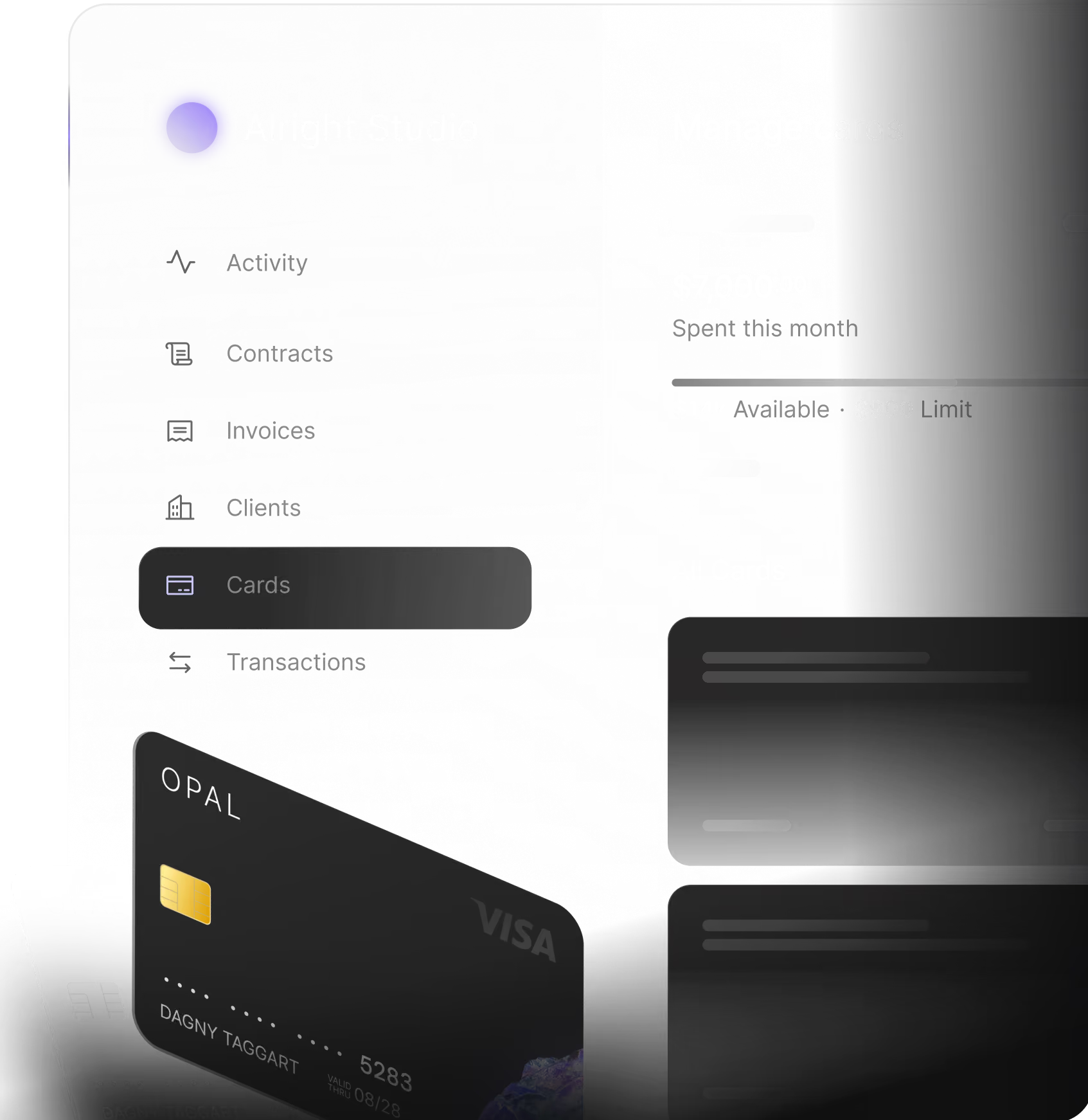
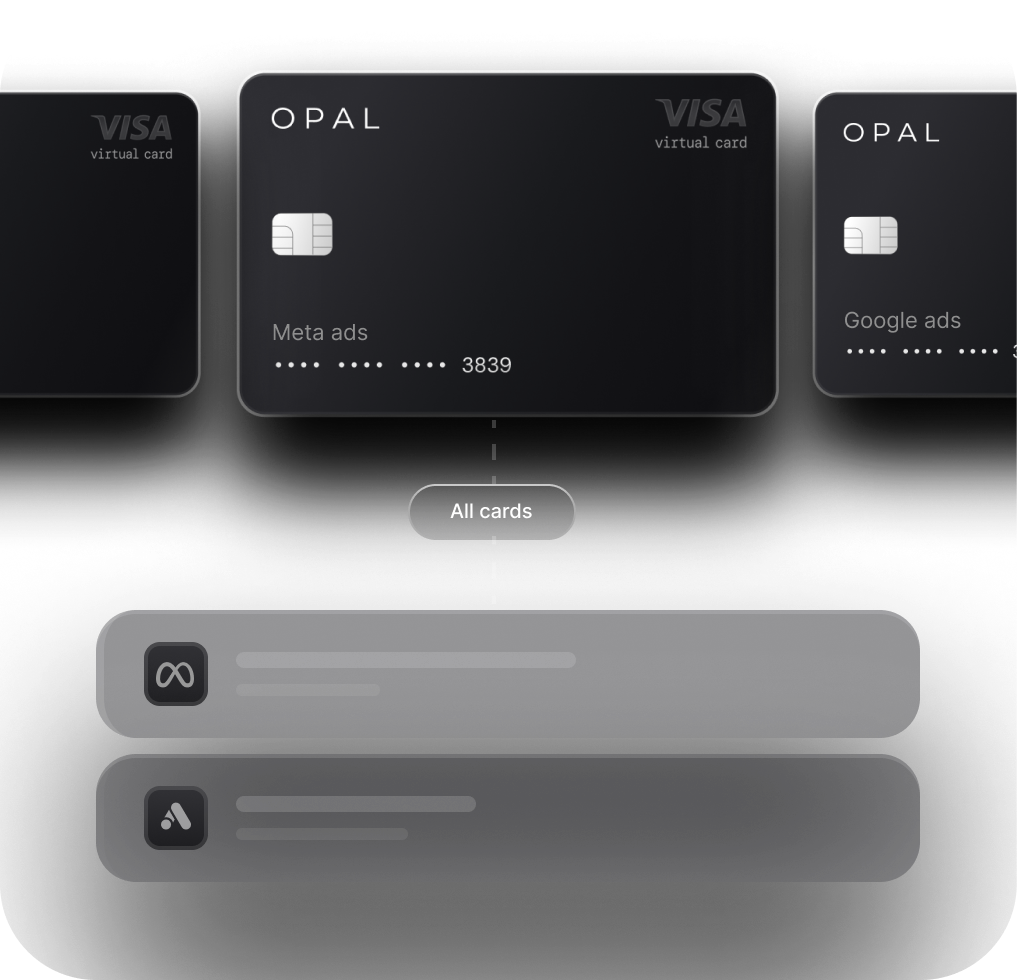
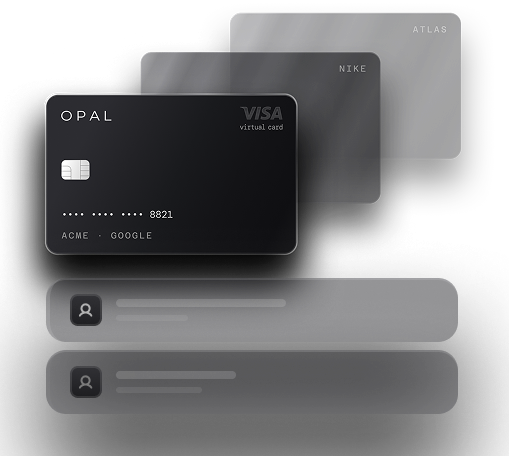
Opal is a charge card built for ad spend. It offers one credit line of up to $10 million, sized on managed ad spend and cash flow, with no personal guarantee and no annual fee. Unlimited free virtual cards then split that one line by client or ad platform. See how Opal works for agencies.


More Glossary Terms

Frequently asked questions
It can. Each application usually adds a hard inquiry, new accounts lower the average age of credit, and high balances raise utilization. The effect is larger when the cards report to the owner's personal credit file.
It can provide fast funding at no interest for a limited time, but it concentrates risk on the owner. It suits borrowers who can repay before the introductory rates end. It is a poor fit for funding that will be needed for a long period.
A line of credit is one facility from one lender, sized on the business's finances. Stacking combines several separate cards, usually approved on the owner's personal credit, each with its own limit, rate, and due date.
See what Opal can do for you
Learn how our spend platform can increase the strategic impact of your finance team and future-proof your company