

Move your ad spend from Capital One to Opal
Opal is built for anyone spending at scale on ads: agencies, performance marketers, media buyers, and ecommerce and DTC brands running serious budgets across Google, Meta, TikTok and other advertising platforms. Capital One Spark Cash Plus is a flat-rate business card built for broad company spending. Here's how the two compare once advertising is your largest line item.

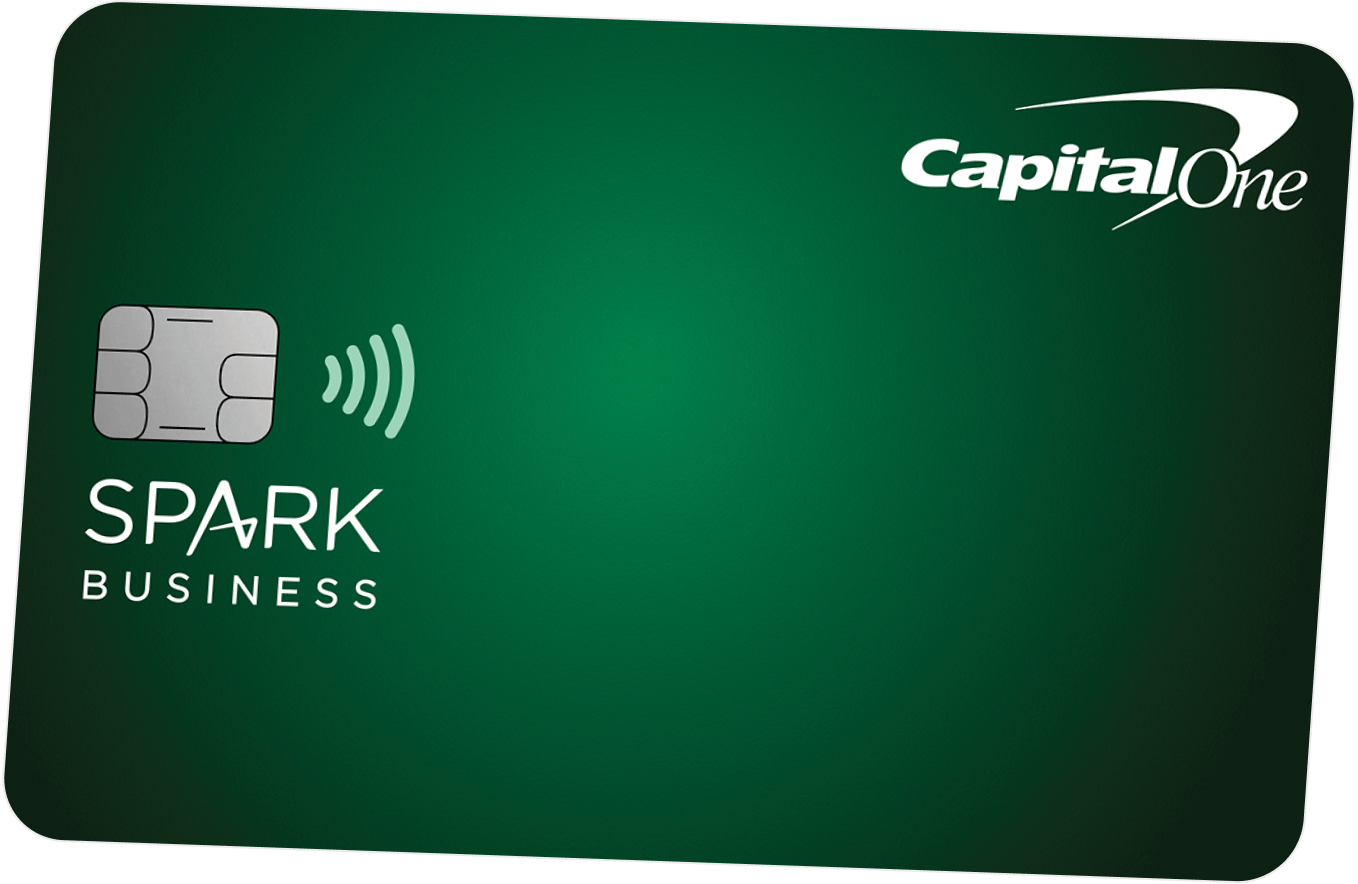






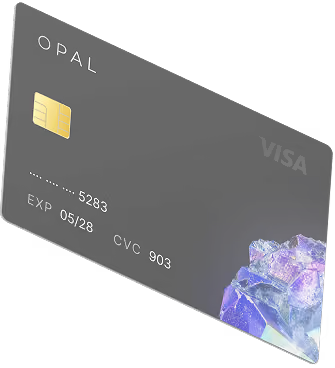
Is Opal or Capital One better for high-volume ad spend?
Opal is the more specialized choice for a business running high-volume digital advertising: credit limits up to $10M sized on the media you manage, unlimited free virtual cards organized by client, platform and campaign with their own limits, reconciliation that reaches QuickBooks or Workday already tagged, Ad Pay for Meta and Google invoices, no annual fee, and no personal guarantee or hard credit check.
Spark Cash Plus treats every purchase the same way, from software to shipping to ads. That suits general company spending, and it means nothing about the card is built around advertising. Keep Capital One for company expenses, and put the ad spend on Opal.


Capital One product terms verified October 2026 and subject to change. Review the Spark Cash Plus product page and terms before applying. Capital One and Spark are marks of Capital One. Opal is not affiliated with or endorsed by Capital One. Opal credit availability and limits are subject to underwriting, product availability and applicable terms.
Dynamic spending power vs. credit limits built for advertising
Spark Cash Plus has no preset spending limit, and Capital One is direct about what that means: no preset spending limit does not mean unlimited spending. Spending power changes with your spending behavior, payment history, credit profile and other factors, and the card being designed to be paid in full is one of the inputs.
For ordinary company spending, that flexibility can work well. Advertising introduces a different challenge. Media budgets can move sharply from one month to the next, clients may approve larger campaigns mid-quarter, and advertising platforms can process substantial charges.
Opal takes a different approach, offering eligible businesses an approved credit limit based on managed advertising spend, cash flow, and underwriting. The Opal Card is paid in full monthly, Opal may periodically review performance and offer a credit increase, and the application takes 2 to 3 minutes online with no hard credit check.
An agency, an ecommerce brand or an in-house performance team may run $300,000 or $500,000 a month in media. That is the number a limit should be built around.
Cards organized around clients, platforms and campaigns
Capital One offers free employee cards with their own spending limits, plus virtual card numbers for online payments, including merchant-specific numbers created through browser autofill. Those tools are built to protect one company's card number and to give staff their own cards.
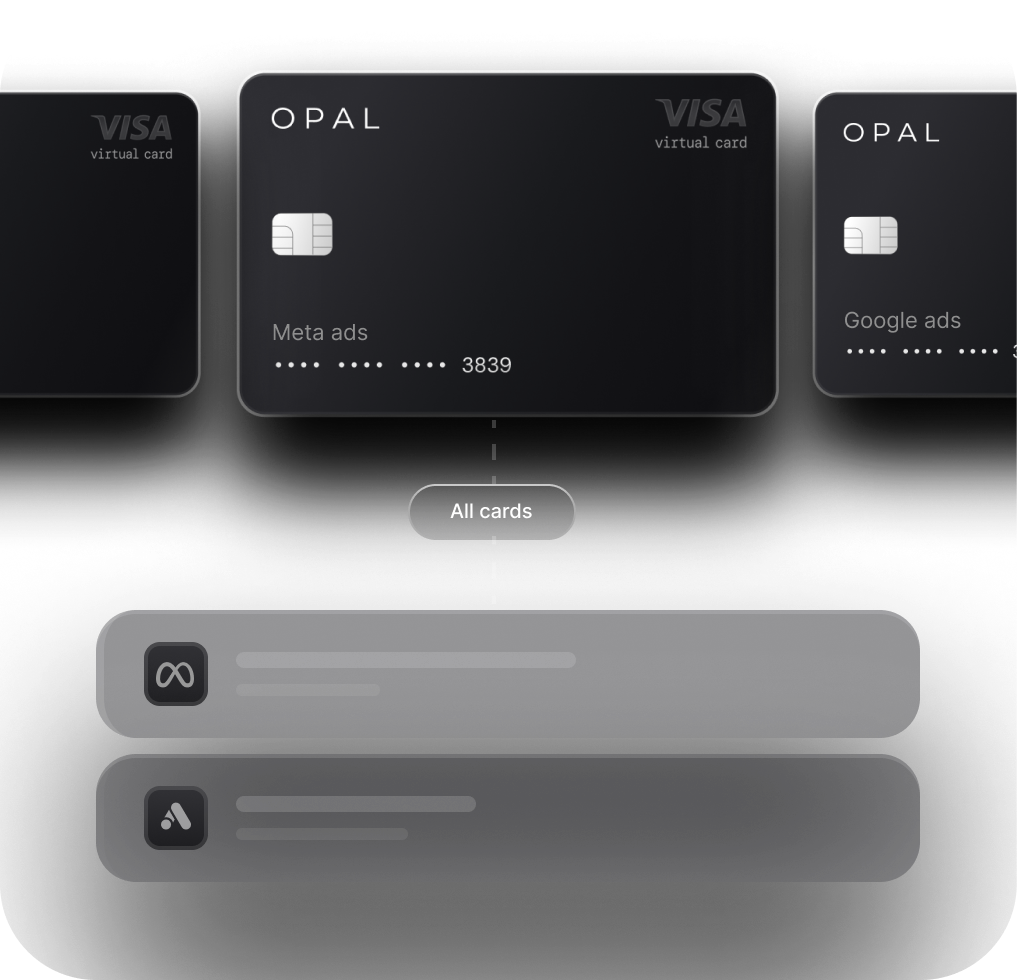
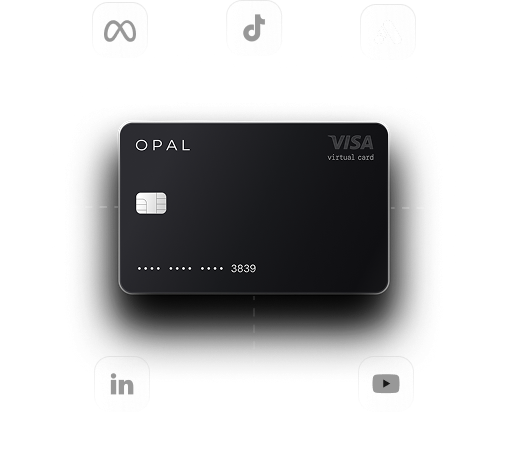
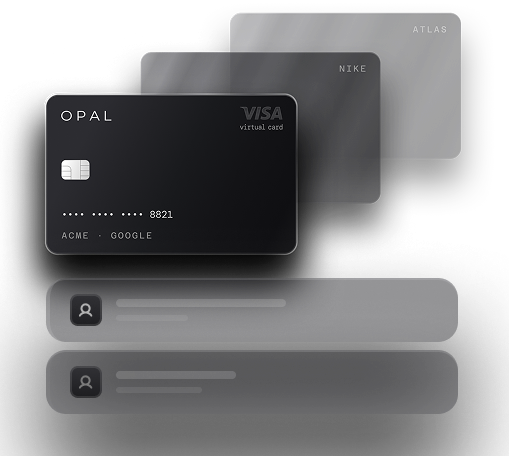
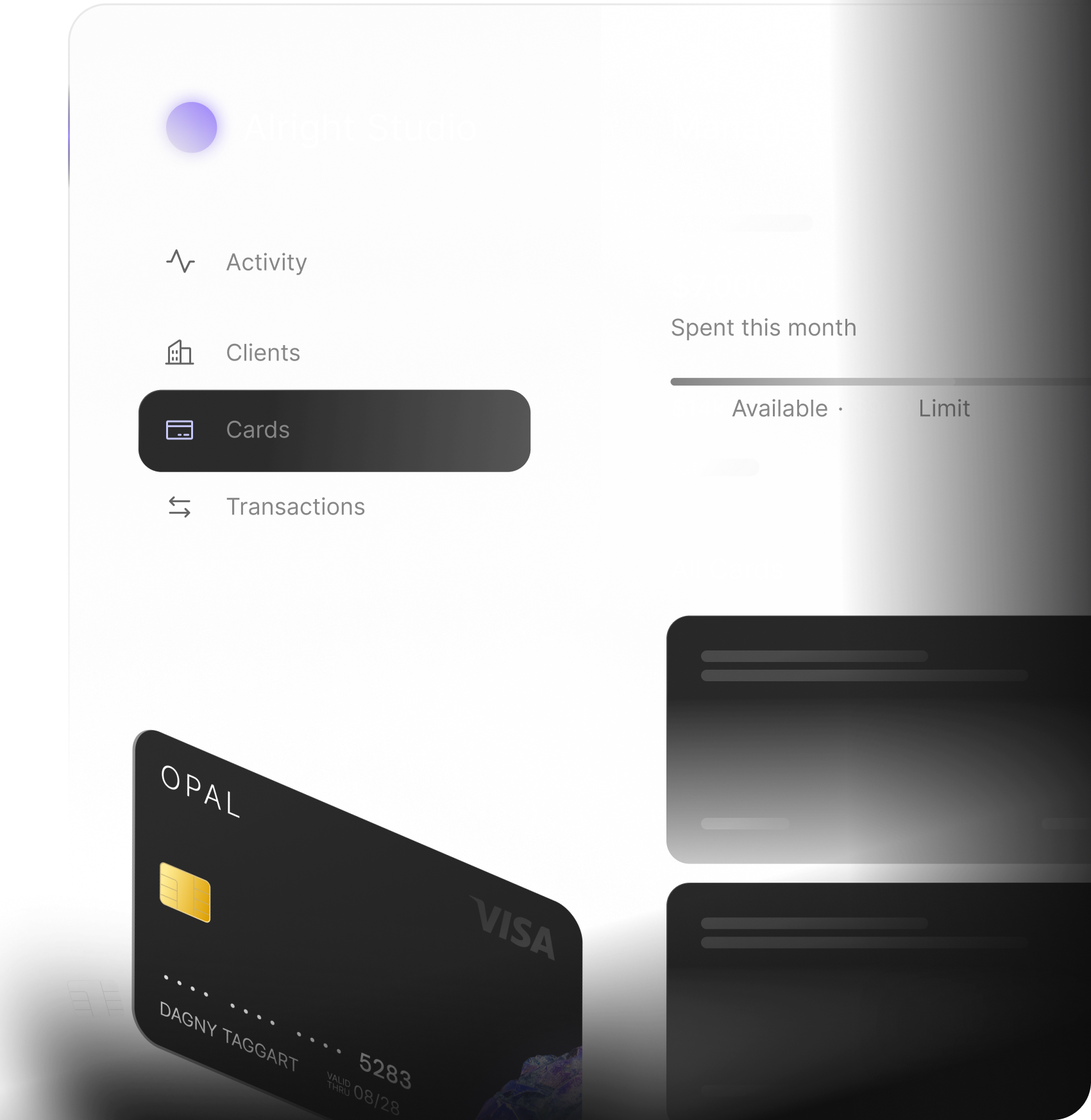
Advertising runs on clients, platforms and campaigns, and Opal organizes cards the same way: one card for a client's Meta spend, another for their Google spend, another again for the next client. Every Opal card can be locked to one platform, given its own spend limit and issued to a team member with their own permissions, and Opal enforces those limits automatically so nobody overspends a client budget. New cards are created instantly, so a new campaign never waits on one.
Opal cards also update automatically on connected ad accounts, so a refreshed or replaced card does not set off a round of manual payment-method changes mid-flight. Each client's spend stays on its own cards from the first charge, so client budgets never mix on a shared statement. Outsmart Labs, a Miami digital agency, recovered 15 hours per week after moving to a per-client card structure on Opal.
Downloading transactions is not the same as reconciling them
Capital One lets you download purchase records in formats that work with QuickBooks, Quicken and Excel. That moves the data. It doesn't tell finance which client, platform or campaign each charge belongs to, so someone still matches Google, Meta and TikTok lines back to budgets by hand.
Opal answers that question before the charge happens. Because each card already belongs to a client, a platform and a campaign, every transaction reaches QuickBooks or Workday already tagged, and you can see each one in real time rather than at statement time. The month-end work of rebuilding client spend from a card statement goes away.
For an agency billing clients for media, that is also where disputes start and end. A ledger already split by client is the one you can send without explaining.
Invoice billing takes your largest expense off the card
At high volume, some Meta and Google advertisers are billed by invoice rather than by card, and a card built for general purchases has nothing to offer at that point.
Opal Ad Pay is built for that. It detects authorized advertising invoices, shows upcoming amounts and due dates in one place, and lets teams settle them with Opal credit or a connected card, extending the cash-flow window by up to 55 days. Payments on Opal credit carry a 3% processing fee, and payments on a connected card carry a 3.5% fee.
Keep Capital One for the rest of the business
Opal cards are designed for supported advertising and media platforms, so most teams keep a general business card for everything else. A Capital One Spark card can carry software, shipping, travel and day-to-day company purchases, while Opal carries the advertising on credit sized for it. Running both keeps ad spend in its own structure from the first transaction, and keeps your largest variable cost off the card that pays for everything else.
Who Opal is for
Opal is the right fit if you are:


Outsmart Labs faced these same challenges. After switching, they recovered 15 hours per week in reconciliation time and added a recurring cashback revenue stream on client spend they were already running.
15+ h per week
15+
Give your ad spend a card built for it.
Capital One covers the rest of what a business buys. Opal covers the advertising: credit limits up to $10M sized on the media you manage, no personal guarantee or hard credit check, unlimited free virtual cards with per-card limits and merchant locks, Ad Pay for Meta and Google invoices, and reconciliation that syncs to QuickBooks or Workday.
Frequently asked questions
For high-volume ad spend, yes. Capital One Spark Cash Plus is built for broad business purchases, with a spending limit that adjusts to your recent card behavior. Opal is built around advertising: credit limits up to $10M sized on managed ad spend, cards organized by client, platform and campaign with their own limits and merchant locks, reconciliation tagged before it reaches QuickBooks or Workday, Ad Pay for Meta and Google invoices, no annual fee, no personal guarantee and no hard credit check.
Spark Cash Plus has no preset spending limit, and Capital One states that this does not mean unlimited spending. Spending power changes based on spending behavior, payment history, credit profile and other factors. Opal sets credit limits up to $10M using managed ad spend, cash flow and underwriting.
Capital One says the hard inquiry from an application may appear on your personal credit report. It also says Spark Cash Plus doesn't report account activity to the personal credit bureaus while the account is open and in good standing, and may report it if the account falls out of good standing. Opal does not require a hard credit check.
Capital One offers virtual card numbers for online payments, including merchant-specific numbers through browser autofill, alongside free employee cards with spending limits. Opal offers unlimited free virtual cards organized by client, platform and campaign, each with its own limit, a merchant lock and team permissions, which is the structure ad spend reconciliation actually runs on.
No. Opal does not require a personal guarantee or a hard credit check. Eligibility and credit capacity are assessed on managed ad spend, cash flow and underwriting.
Yes, and many teams do. A business can keep a Capital One Spark card for software, shipping, travel and other general company expenses while using Opal for digital advertising and client media spend. The two serve different jobs and run side by side without any conflict.
See how Opal compares.


Opal vs Ramp
Agency ad-spend workflows next to Ramp's broader expense and finance platform.
Opal vs Brex
Credit capacity, virtual cards and reconciliation for agencies.

Opal vs Amex
Business Gold and Platinum on rewards, annual caps and personal liability.
Opal vs Slash
Cashback, credit capacity, client budgets and Meta invoice payments.
Opal vs Dash.fi
Cashback terms, eligible platforms and credit limits at high volume.
Opal vs Chase
Ink Business Preferred on advertising rewards, bonus caps and liability.