
Media Plan
A media plan is a document that sets out where, when, and how often a business will advertise to reach a target audience within a set budget. It names the channels, splits the budget between them, schedules the campaign dates, and states how results will be measured. Media planning comes before media buying: the plan decides what to buy, and buying carries it out.
Last updated: November 2026
What does a media plan include?
- Objective: what the advertising is meant to achieve, such as sales, leads, or awareness.
- Audience: who the ads need to reach.
- Budget: the total amount available for media.
- Channel mix: the platforms and publishers chosen, and the share of budget each one gets.
- Schedule: the dates each channel runs.
- Measurement: the metrics the plan will be judged on.
How to make a media plan
- Set one clear objective and a target for it.
- Define the audience and where it spends time.
- Fix the total budget for the period.
- Choose the channels and split the budget between them.
- Schedule the dates, allowing for seasonality and launches.
- Decide how results will be tracked, and review the plan as data comes in.
Media plan example
A brand has $100,000 to spend in a quarter and wants new customers. Its plan puts $50,000 into Meta, $30,000 into Google Search, and $20,000 into TikTok over 12 weeks, and judges the result on cost per new customer. Halfway through, the numbers show Google Search bringing in customers at the lowest cost, so the plan moves $10,000 from TikTok to Google.
Media plan vs. media buying
The media plan is the decision. Media buying is the execution: setting up campaigns, negotiating or bidding for placements, and paying for them. A campaign budget is the amount set for a single campaign inside the plan.
From media plan to payment
A plan's channel budgets only hold if the payments follow them. When every platform bills one shared card, overspend on a channel is easy to miss until the statement arrives. Ad spend tracking closes that gap by comparing what was planned with what was charged.
How Opal helps a media plan hold
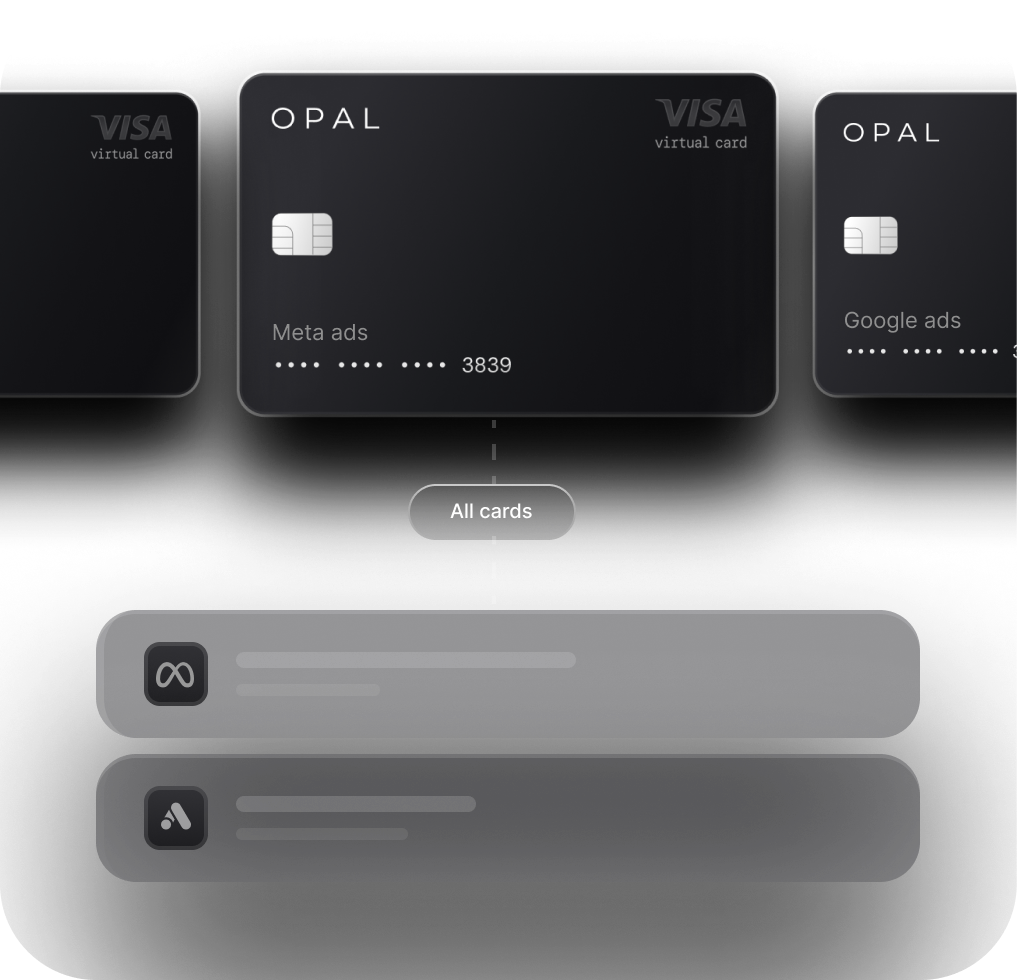
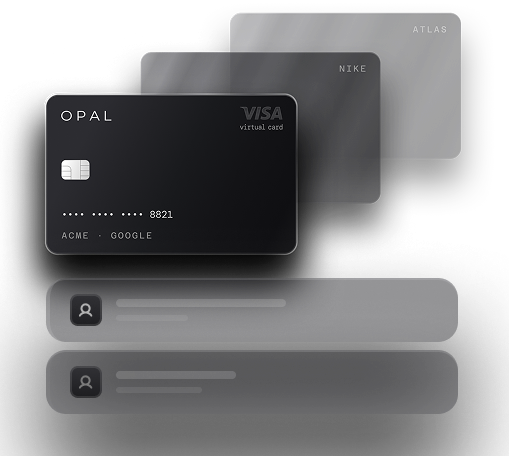
Opal gives agencies and brands unlimited free virtual cards, so each client or ad platform can have its own card with its own spending limit. The budget set in the plan becomes the limit on the card. See how Opal works for agencies.



Frequently asked questions
A marketing plan covers the whole approach to reaching customers, including positioning, pricing, content, and channels. A media plan is one part of it: the detailed plan for paid advertising, with channels, budgets, and dates.
A media planner at an agency, or the marketing team in-house. On smaller accounts the same person often plans and buys the media. On larger accounts planning and buying are separate roles.
Plans are usually set by quarter or by campaign and then adjusted as results come in. Budgets on digital channels can be moved week to week, so most teams review performance against the plan at least monthly.
See what Opal can do for you
Learn how our spend platform can increase the strategic impact of your finance team and future-proof your company