
Statement Balance
A statement balance is the total amount owed on a credit or charge card at the end of a billing cycle. It includes the purchases, fees, and interest that posted during the cycle, plus any unpaid balance carried over, minus payments and credits. It is the figure printed on the statement. On most credit cards, paying it in full by the due date avoids interest on purchases. On a charge card, it is the amount due.
Last updated: November 2026
Statement balance vs. current balance
The statement balance is a snapshot taken on the day the billing cycle closes. The current balance is a running total that also includes everything charged since that day.
Say a cycle closes on March 31 with $42,000 owed. By April 10 the business has spent another $18,000. The statement balance is still $42,000 and the current balance is $60,000. Paying $42,000 by the due date settles the statement in full, and the $18,000 moves onto the next one.
Statement balance vs. minimum payment
The minimum payment is the smallest amount an issuer will accept to keep a credit card account in good standing. Paying only the minimum leaves the rest of the statement balance on the account, where it accrues interest.
A charge card usually has no minimum payment option. The full statement balance is due each cycle, which is the main difference set out in credit card vs charge card.
What is the remaining statement balance?
The remaining statement balance is the statement balance minus any payments made since the statement closed. If the statement showed $42,000 and $30,000 has been paid, the remaining statement balance is $12,000.
How statement balances build up on ad spend
Ad platforms charge a card many times in a month, often each time an account reaches its billing threshold. Every one of those charges lands in the same cycle, so a business spending heavily on ads can see a large statement balance made up of dozens of platform charges. Planning cash for the due date matters more than on a card used for occasional purchases.
How Opal handles the statement balance
Opal is a charge card built for agencies, media buyers, and brands that run paid media. The full statement balance is debited automatically on the due date from the business's existing US bank account, so there is no revolving balance to manage.
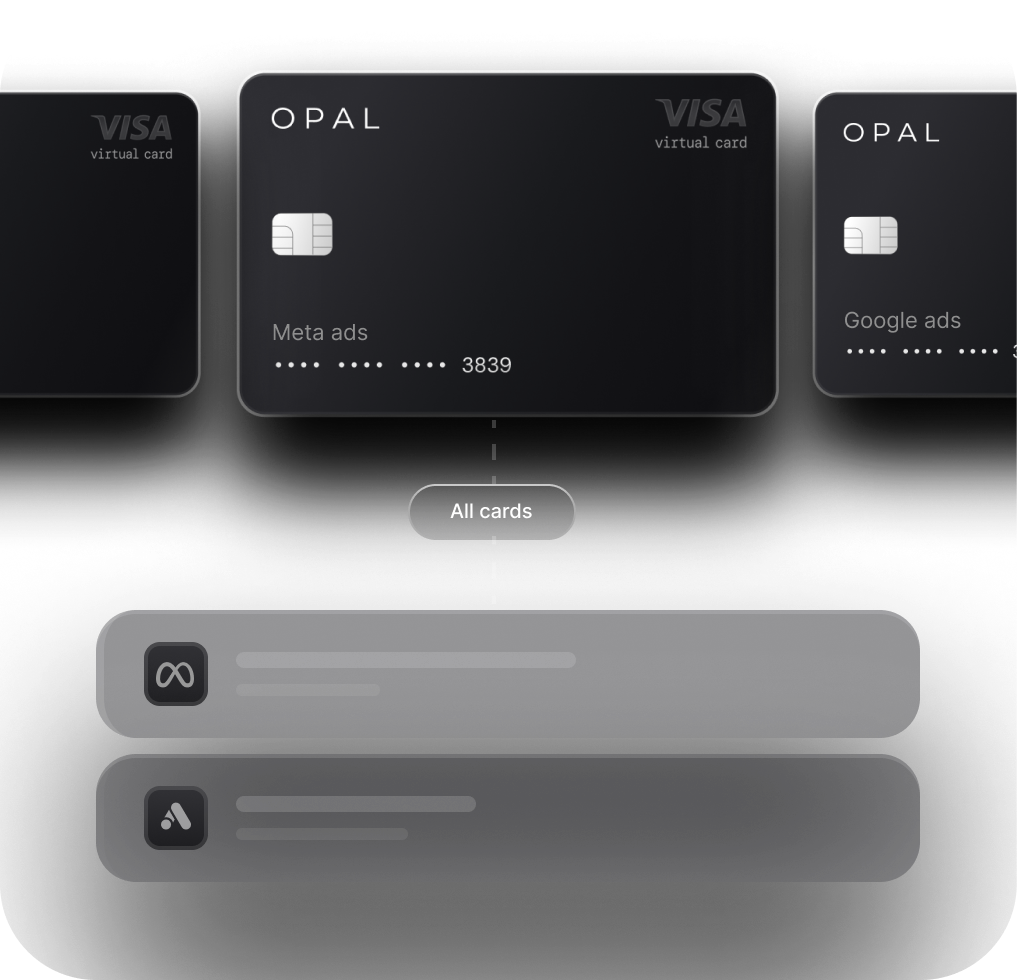
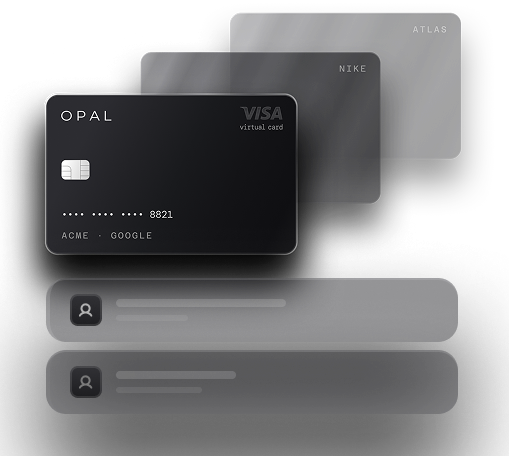
Each client or ad platform can run on its own virtual card, which makes it clear which charges make up the statement. See how Opal works for agencies.



Frequently asked questions
Paying the statement balance in full by the due date is enough to settle the cycle and, on most credit cards, to avoid interest on purchases. Paying the current balance also clears charges made since the statement closed, which lowers the balance sooner but is not required.
On most credit cards, yes for purchases, as long as the full statement balance is paid by the due date each cycle. Cash advances and balance transfers usually accrue interest from the day they post, so they follow different rules.
On the payment due date shown on the statement. For US consumer credit cards, that date must be at least 21 days after the statement is delivered. Business cards are not covered by that rule, so the gap between closing date and due date depends on the issuer.
See what Opal can do for you
Learn how our spend platform can increase the strategic impact of your finance team and future-proof your company