
Pending Charge
A pending charge is a card transaction that the issuer has approved but the merchant has not yet finalized. The amount is taken off the card's available credit or balance straight away, but it does not appear as a posted transaction until the merchant settles it, usually within a few business days. Until then the amount can change, or the charge can drop off entirely.
Last updated: November 2026
Pending vs. posted charges
- Pending: approved by the issuer and counted against available credit, but not final. The amount can still change.
- Posted: settled by the merchant and recorded on the account. It counts toward the statement balance.
How long do pending charges take?
Most pending charges post within a few business days. Hotels, car rentals, and fuel purchases can take longer, because the final amount is not known when the card is first approved. If a merchant never settles, the pending charge expires and the amount returns to the available credit.
Can a pending charge be cancelled?
Not usually by the card issuer. Only the merchant can release a pending charge, so the first step is to ask the merchant to void it. A dispute with the issuer generally has to wait until the charge has posted.
Pending charge vs. authorization hold
The two are closely related. An authorization hold is the reservation of funds that creates a pending item. "Pending charge" is the wider term for anything approved but not yet posted, whether it will settle for the same amount, a different amount, or not at all.
Pending charges on ad spend
Ad platform charges appear as pending before they post, and they reduce available credit in the meantime. On an account that is charged several times a week, pending items can use up room on the card before the statement shows anything. For ad spend reconciliation, posted amounts are the ones to match against platform receipts, because pending amounts can still change.
How Opal helps
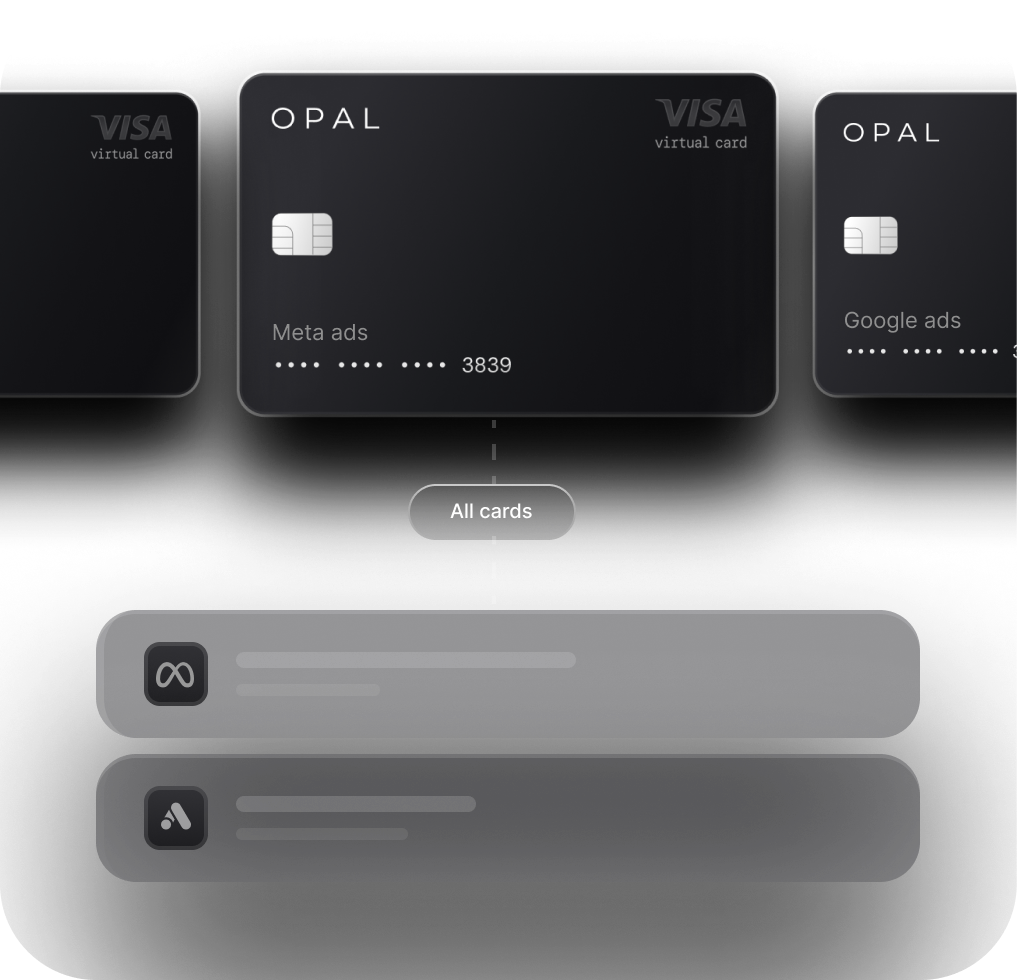
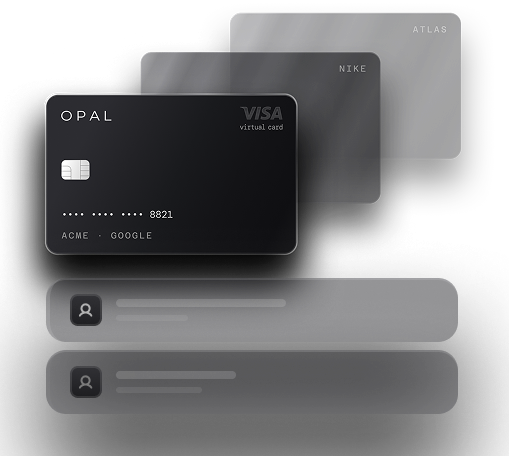
Opal is a charge card built for ad spend, with credit limits of up to $10 million sized on managed ad spend and cash flow. Each client or ad platform can have its own virtual card, so pending and posted charges are easy to trace to the account behind them. See how Opal works for agencies.


More Glossary Terms

Frequently asked questions
It means the card issuer approved the payment and set the amount aside. The payment is not final until the merchant settles it and the charge posts. Most pending charges do post, but the amount can change or the charge can be released.
Yes. A pending charge reduces the available credit or balance as soon as it is approved, even though it has not posted. If the charge is released, the amount becomes available again.
Either it posted and now appears among the settled transactions, sometimes under a slightly different name or amount, or the merchant released it and the reservation expired. Temporary authorizations used to check a card often disappear this way.
See what Opal can do for you
Learn how our spend platform can increase the strategic impact of your finance team and future-proof your company