
Authorization Hold
An authorization hold is a temporary reservation of funds or credit that a merchant places on a card to confirm the card is valid and the amount is available. The held amount reduces the card's available credit or balance, but it is not yet a charge. The hold is released when the merchant settles the final amount or when it expires, usually within a few days, depending on the issuer and the type of merchant.
Last updated: November 2026
How does an authorization hold work?
- Request: the merchant asks the card issuer to approve an amount.
- Approval: the issuer approves it and sets that amount aside from the card's available credit or balance.
- Pending: the transaction appears on the account as pending.
- Settlement: the merchant submits the final amount, and the pending item becomes a posted charge.
- Release: if the merchant never settles, the hold expires and the amount becomes available again.
Most holds clear within a few days. Hotels, car rentals, and fuel pumps often hold more than the final bill and can take longer to release the difference.
Authorization hold vs. pending charge
A pending charge is any transaction the issuer has approved but the merchant has not yet settled. An authorization hold is one kind of pending transaction: the amount is reserved, and it may settle for a different amount or not settle at all. Both reduce available credit until they post or drop off.
Authorization holds on ad accounts
Ad platforms can place a temporary authorization when a card is added to an account or before a payment, to confirm the card can be charged. Google Ads describes its pre-authorization hold as not an actual charge and says it drops off automatically within a week.
These holds matter on cards with tight limits. Several holds, plus charges triggered by a billing threshold, can use up a low credit limit and cause the next payment to be declined. Declined ad payments can pause campaigns until the card is fixed.
How Opal helps with holds on ad spend
Opal is a charge card for agencies, media buyers, and brands that run paid media. Credit limits go up to $10 million and are sized on managed ad spend and cash flow, so verification holds and threshold charges are less likely to run into the limit.
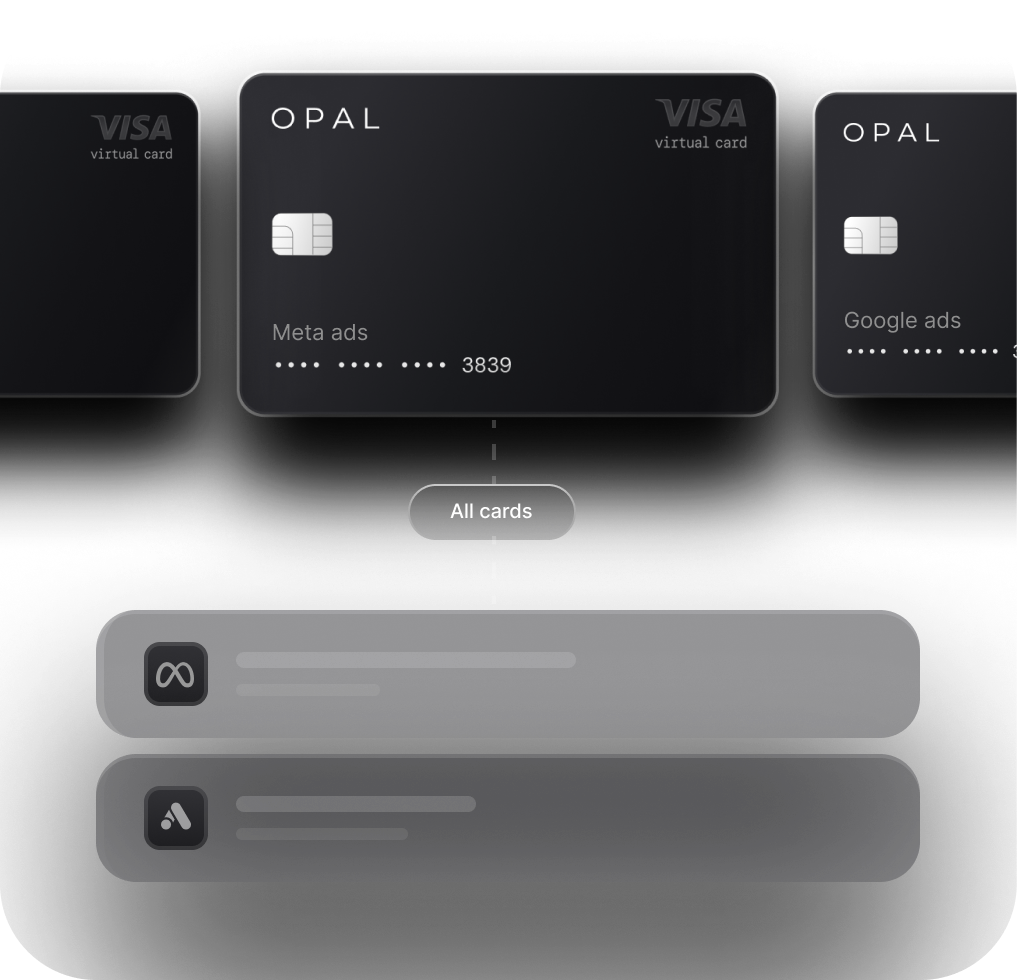
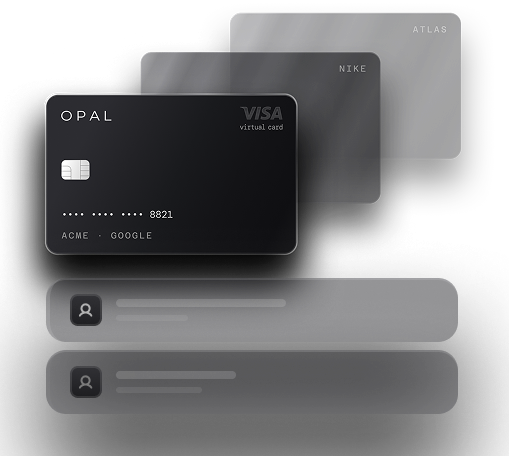
Each ad platform or client can have its own virtual card with its own spending limit, which makes a hold easy to trace to the account that caused it. See how Opal works for agencies.



Frequently asked questions
Most authorization holds are released within a few days, either when the merchant settles the final amount or when the hold expires. The exact time depends on the card issuer and the merchant. Hotels and car rental companies can hold funds for longer.
No. A hold reserves the amount but does not move any money. It becomes a charge only when the merchant settles the transaction. If the merchant does not settle, the hold drops off and the amount becomes available again.
Ad platforms can place a temporary authorization when a card is added or before a payment, to confirm the card can be charged. It is not a fee. Google Ads says its pre-authorization hold is not an actual charge and drops off automatically within a week.
See what Opal can do for you
Learn how our spend platform can increase the strategic impact of your finance team and future-proof your company