
Recurring Payment
A recurring payment is a charge that a merchant collects automatically at regular intervals, using payment details the customer has authorized in advance. Subscriptions, software licenses, utilities, and loan installments are common examples. The customer agrees once, and the merchant bills the stored card or bank account on each cycle until the agreement is cancelled or the payment method stops working.
Last updated: November 2026
How do recurring payments work?
The customer gives a merchant permission to charge a card or bank account on a schedule. The merchant stores the payment details, usually as a secure token, and submits a charge on each billing date without asking again. The arrangement runs until the customer cancels, the merchant ends it, or the payment fails.
Fixed and variable recurring payments
- Fixed: the same amount on every cycle, such as a software subscription or a membership fee.
- Variable: the amount changes with usage, such as a utility bill, cloud hosting, or advertising charges.
Are ad platform charges recurring payments?
In practice, yes. Platforms such as Google Ads and Meta keep a card on file and charge it automatically, either on a monthly date or each time spend reaches a billing threshold. The amounts vary with campaign spend, which makes them variable recurring payments, and an active account can produce several charges a week.
Why recurring payments fail
- Expired or replaced card: the stored card number no longer works.
- Limit reached: the charge is larger than the card's available credit limit.
- Issuer decline: the issuer flags the charge as unusual.
- Card controls: a merchant or amount restriction blocks the charge.
For most subscriptions, a failed payment means a retry and a reminder email. On an ad account it can pause campaigns until the payment method is fixed. See the cost of a declined ad payment.
How Opal handles recurring ad charges
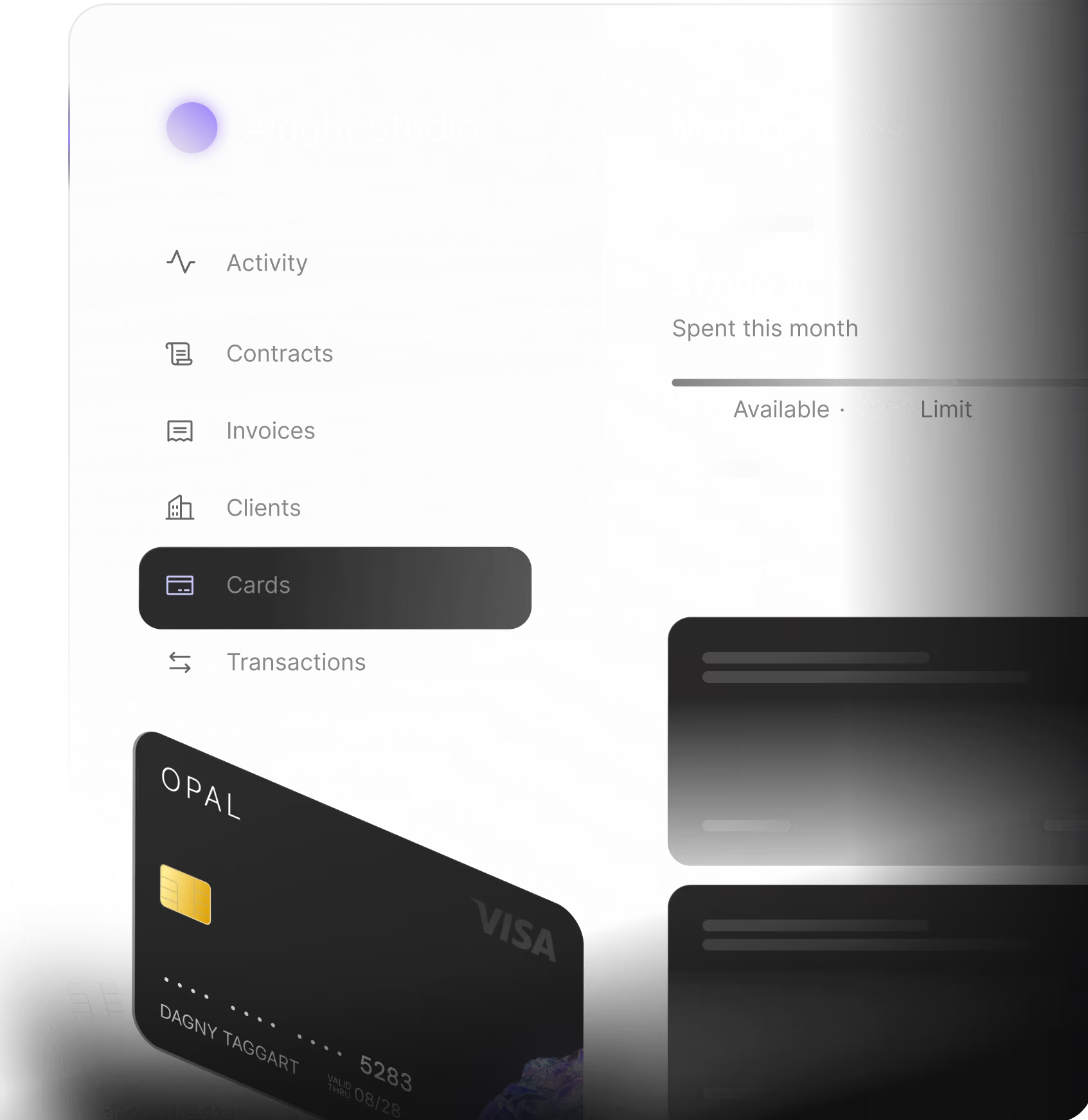
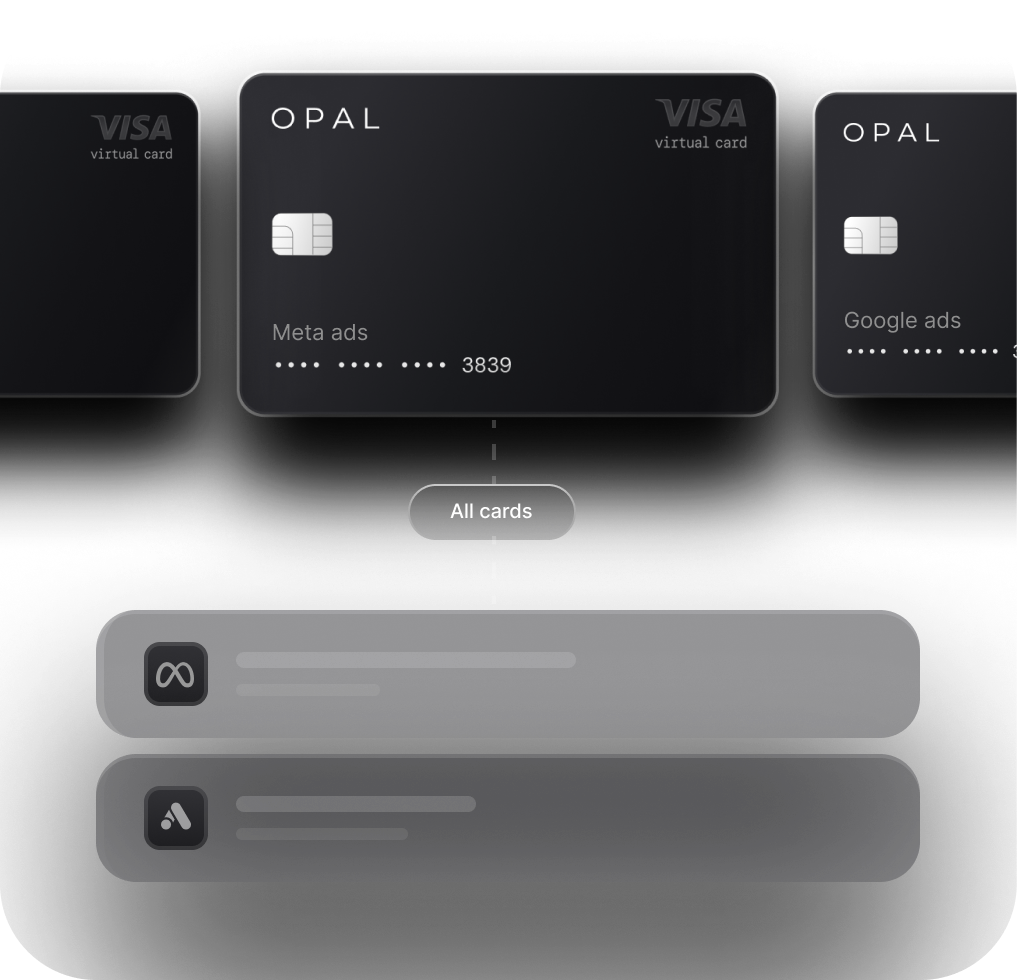
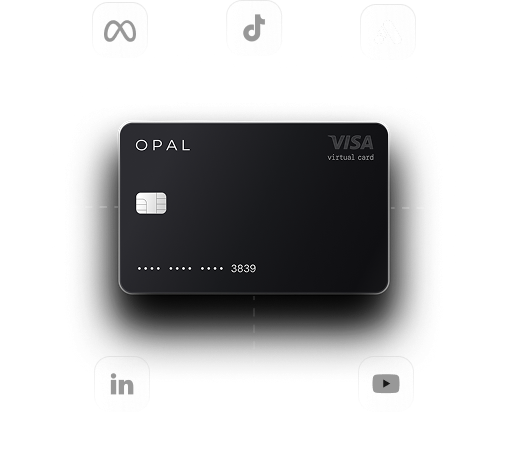
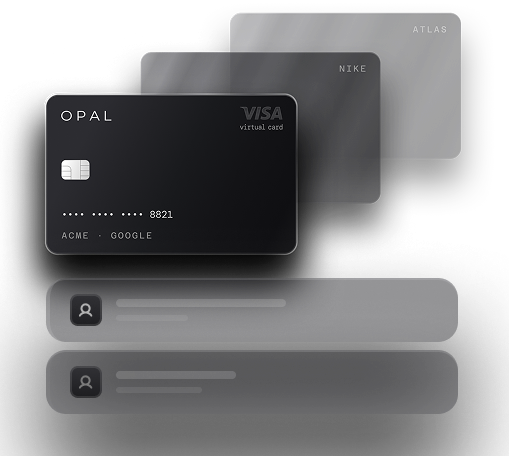
Opal is a charge card for agencies, media buyers, and brands that run paid media. Each ad platform or client can have its own virtual card with its own spending limit, so replacing one card does not interrupt billing on the others.
Credit limits go up to $10 million and are sized on managed ad spend and cash flow, which leaves room for frequent platform charges. See how Opal works for agencies.



Frequently asked questions
A one-time payment is authorized and collected once. A recurring payment is authorized once and then collected automatically on a schedule, without the customer approving each charge, until the arrangement is cancelled.
Cancel with the merchant first, following its cancellation terms. If charges continue, contact the card issuer or bank to block further charges from that merchant or to revoke the authorization. Keep a record of the cancellation in case a later charge has to be disputed.
It is a charge from a merchant that bills the card automatically on a schedule, such as a subscription or an ad platform. Reviewing recurring charges each month helps catch subscriptions that are no longer needed and charges that have changed in amount.
See what Opal can do for you
Learn how our spend platform can increase the strategic impact of your finance team and future-proof your company